Table of Contents
In a world where curb appeal, property maintenance, and sanitation standards matter more than ever, power washing franchise opportunities are becoming a dynamic entry point into the home and commercial services space. From revitalizing residential exteriors to servicing construction sites and industrial equipment, the power washing industry is booming, thanks to high demand, technological advancements, and a wide range of applications.
Whether you’re considering a power washing franchise that targets residential homes, commercial buildings, or industrial machinery, this guide will walk you through everything you need to know. We’ll break down the franchise model itself, the current market outlook for both power and pressure washing, and how to evaluate whether this opportunity aligns with your goals.
With relatively low startup costs, high recurring revenue potential, and a business model that scales through team-based mobile operations, pressure washing franchises offer a compelling, results-driven path to business ownership. Let’s dive in.
The Foundations of Every Franchise Opportunity
Before diving into the specifics of power and pressure washing franchises, whether you’re just exploring the concept or actively searching, it’s critical to understand the fundamentals of the franchise model and how it operates.
What Is a Franchise?
At its core, a franchise is a business model where an individual (the franchisee) operates a business using the established branding, systems, and processes of a parent company (the franchisor). In return, the franchisee pays a franchise fee and ongoing royalties while receiving access to training, support, and operational frameworks.
Pressure washing franchisees benefit from a tested formula, including equipment usage protocols, marketing systems, lead generation support, and customer service standards, all laid out in a replicable business playbook.
Key roles to understand include:
- Franchisor: Owns the brand, systems, and intellectual property. They provide ongoing support and ensure quality across all franchise locations.
- Franchisee: Operates the local business using the franchisor’s model. They’re responsible for delivering services, managing staff, and building the customer base.
Franchising is one of the most proven methods of entering home services, especially within the fast-growing category of outdoor property maintenance, like power and pressure washing.
Essential Franchise Costs and Terms Explained
Every franchise system, including power washing businesses, includes common financial and operational elements that are essential to understand:
- Initial Investment: Includes franchise fees, power washing equipment (trucks, pressure washers, accessories), software licenses, uniforms, insurance, and marketing costs.
- Franchise Fee: A one-time payment that grants the right to operate under the franchisor’s name and use its systems.
- Royalty Fees: Ongoing fees (typically a percentage of gross revenue) used to fund support services and continued brand development.
- Marketing Fund Contributions: A percentage of revenue directed toward regional or national advertising campaigns.
- Training & Support Costs: While often included, some franchisors offer optional add-ons for additional marketing or operational support.
- Franchise Disclosure Document (FDD): The legal agreement that details every facet of your relationship with the franchisor, including obligations, fees, and rights.
Grasping these terms helps prospective franchisees understand the full scope of investment and commitment, and positions them to craft realistic business plans.
Why Choose a Franchise Over Starting From Scratch?
While launching a pressure washing business independently is possible, a franchise structure offers significant advantages:
- Brand Recognition: Customers are more likely to trust a known name, especially in a category where safety, trust, and professionalism matter.
- Proven Systems: From quoting jobs to executing cleanings to processing payments, everything is pre-built for efficiency.
- Reduced Trial and Error: Franchisors have refined the business model through years of experience, which shortens your learning curve.
- Technology and CRM Support: Many pressure washing franchises offer booking software, mobile apps, and digital marketing systems.
- Ongoing Coaching: Most franchisors provide regular business reviews, growth planning, and marketing guidance.
For first-time entrepreneurs and seasoned business owners alike, the franchise model offers a blend of independence and support, which is tremendously valuable in the home services sector.
What Are Power Washing Franchises?
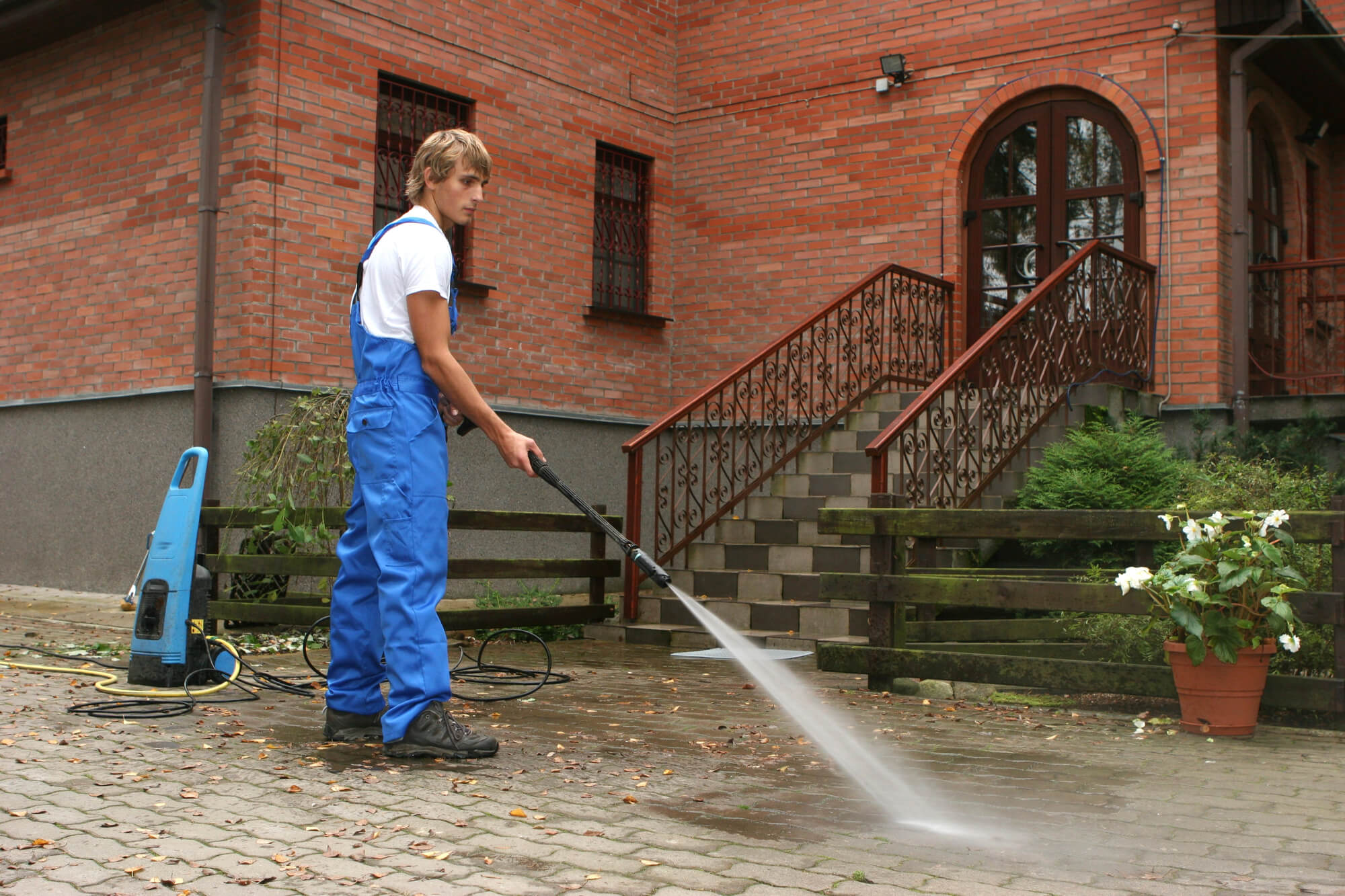
Power washing franchises are part of the broader home services and property maintenance industry, offering critical exterior cleaning services that improve aesthetics, safety, and long-term property value. These businesses use high-pressure water jets to remove dirt, mildew, grime, grease, and stains from various surfaces. These water jets are often enhanced with heat, specialized detergents, or surface-specific nozzles, which is when the service is called “power washing.” However, the terms are used interchangeably in the industry, and practically every pressure washing business offers both types.
From suburban driveways and fences to commercial parking lots, storefronts, and even industrial equipment, power and pressure washing services are in high demand across residential, commercial, and industrial markets.
Several key trends are fueling the rise of power washing franchise opportunities:
- Home Improvement Spending Is Surging: Annual spending on home maintenance and upgrades is projected to have reached $466 billion in the U.S. in 2025.
- Commercial and Industrial Demand: Warehouses, restaurants, and multi-tenant properties require regular exterior cleaning to maintain curb appeal and hygiene standards.
- Technological Advancements: Smart sensors, IoT monitoring tools, and eco-friendly detergents are making pressure washing more efficient and trackable.
- Market Growth: The global high-pressure washer market is projected to reach $8.0 billion by 2034, growing at a steady 5% CAGR. The U.S. market alone is expected to grow from $390 million in 2024 to $570 million by 2034.
These indicators point to a healthy, scalable industry, one that’s increasingly driven by professionalism, reliability, and repeat demand for services.
Types of Power Washing Franchise Opportunities
There’s no single mold when it comes to power washing franchises. Business models range from residential specialists to high-capacity commercial operators. Below are the primary franchise types you’ll encounter:
Residential Power Washing
These franchises focus on cleaning services for individual homeowners. Common service areas include:
- Driveways, patios, and walkways
- Home siding and brick exteriors
- Decks, fences, and outdoor furniture
- Roof cleaning (soft wash techniques)
These services are often booked as seasonal refreshes, part of annual house wash maintenance plans, or prep work for painting, selling, or renovations.
Commercial Power Washing
Commercial services include cleaning for retail plazas, office buildings, restaurants, and warehouses. These contracts are typically larger in scope and recurring in nature, making them attractive for long-term revenue growth.
Common commercial applications include:
- Sidewalk and entryway cleaning
- Dumpster pad sanitation
- Building facade maintenance
- Parking lot degreasing
Commercial clients often require regular service intervals and value reliability, appearance, and liability protection, creating an opportunity for well-branded franchises to stand out.
Industrial and Specialty Services
Industrial-focused franchises handle complex, high-demand applications such as:
- Equipment degreasing
- Fleet washing
- Construction site cleanup
- Graffiti removal
These may require hot water pressure washers, which captured a dominant 73.4% of the market by temperature type in 2024, or customized PSI machines, depending on surface types and regulatory standards.
With electric models holding a 67.5% share of the power source market (due to indoor safety and low maintenance), many franchises are now offering both electric and gas-powered solutions to meet varied customer needs.
Niche and Green Power Washing Services
Niche franchises often build their brands around sustainability or specialized techniques, offering:
- Eco-friendly biodegradable detergents
- Low-PSI “soft washing” for delicate surfaces
- Gutter cleaning and roof algae removal
- Mobile apps for booking and monitoring
Given that below-2,000-PSI systems dominated the market at 46.7% in 2024, safety and surface protection are strong consumer priorities, making these niche services highly marketable.
Each franchise model comes with different equipment requirements, pricing strategies, and customer acquisition tactics, giving you options to match your investment level and business vision.
Business Models and Operational Styles
Power washing franchise opportunities are designed with versatility in mind, making them accessible to a wide range of ownership styles, experience levels, and market environments. Whether you’re aiming to build a hands-on business or delegate operations to a trusted manager, the franchise model can flex to match your business goals.
Ownership Styles
- Owner-Operated Model: In this structure, the franchisee plays an active role in the daily operation of the business. You will manage employees, quote projects, handle local marketing and scheduling, and may even perform power washing jobs directly from time to time. This approach is ideal for entrepreneurs who enjoy being in the field, working with clients, and building hands-on experience.
- Manager-Run or Semi-Passive Model: Here, the franchisee functions more like an executive, hiring and managing a team of power washing technicians and a general manager to oversee logistics. This model supports multi-unit expansion or allows you to grow the business while keeping other personal or professional commitments.
Location Styles
- Mobile Service Model: Most power washing franchises are structured as mobile operations, eliminating the need for a traditional storefront. Technicians operate from their homes or a central base, using branded service vehicles outfitted with pressure washing equipment, water tanks, GPS-enabled routing systems, and job management tools.
- Warehouse or Small Facility Model: As your franchise scales, especially into commercial or industrial markets, you may need a physical location for equipment storage, supply management, or administrative coordination. These facilities can serve as hubs for dispatching teams, conducting training, and managing larger logistics operations.
Team-Based Field Operations
As your power washing business grows, you’ll likely transition from a solo or small-team setup to a more structured field operations model. This often includes:
- Technicians: Trained professionals capable of operating commercial-grade equipment and handling various surface types safely.
- Dispatchers or Schedulers: Coordinating routes, managing appointments, and adjusting for weather or equipment needs.
- Customer Service Roles: Managing inbound requests, quote follow-ups, and client satisfaction outreach.
Franchisors often provide systems for workforce management, route optimization, and technician training to support these growing team structures.
Customer Expectations
Customers seeking power washing services are often motivated by a desire for fast, professional, and noticeable results. Whether they’re a homeowner looking to boost curb appeal or a property manager maintaining a facility, they expect high performance and reliability.
Franchise systems help you deliver on these expectations through:
- Scheduled Maintenance Packages: Recurring services for property managers, commercial clients, and HOA contracts ensure predictable revenue and client retention.
- On-Demand Cleaning Services: Urgent needs, such as graffiti removal, spill cleanups, or storm debris washing, demand responsive scheduling and flexible availability.
- Transparent Estimates and Invoicing: Customers appreciate clear, upfront pricing that includes fees, labor, and sales taxes, along with convenient digital estimates. Most franchises equip owners with quoting tools and CRM-integrated billing software.
- Professional Branding: Clean uniforms, marked vehicles, and polished digital profiles (website, reviews, social media) help establish credibility, especially in a service business that enters homes or commercial properties.
- Digital Convenience: Online booking, automated reminders, photo documentation, and mobile payments are now expected by customers and are often standard within power washing franchise systems.
Delivering consistent results, building trust, and maintaining brand professionalism are key to winning repeat business and generating referrals in the power washing market.
What You’ll Need to Start a Power Washing Franchise
Starting a power washing franchise combines moderate capital requirements with high scalability and mobility. But as with any service-based franchise, success depends on preparation, operational knowledge, and your ability to execute daily tasks with consistency and professionalism. Here’s what to expect as you plan your entry into the industry.
Startup Requirements and Common Costs
Power washing franchises are generally considered low- to mid-investment home services businesses, with lower overhead than fixed-location models like restaurants or retail.
Common startup costs include:
- Initial Investment Range: All power washing franchises require startup capital that varies depending on equipment, territory, and brand requirements.
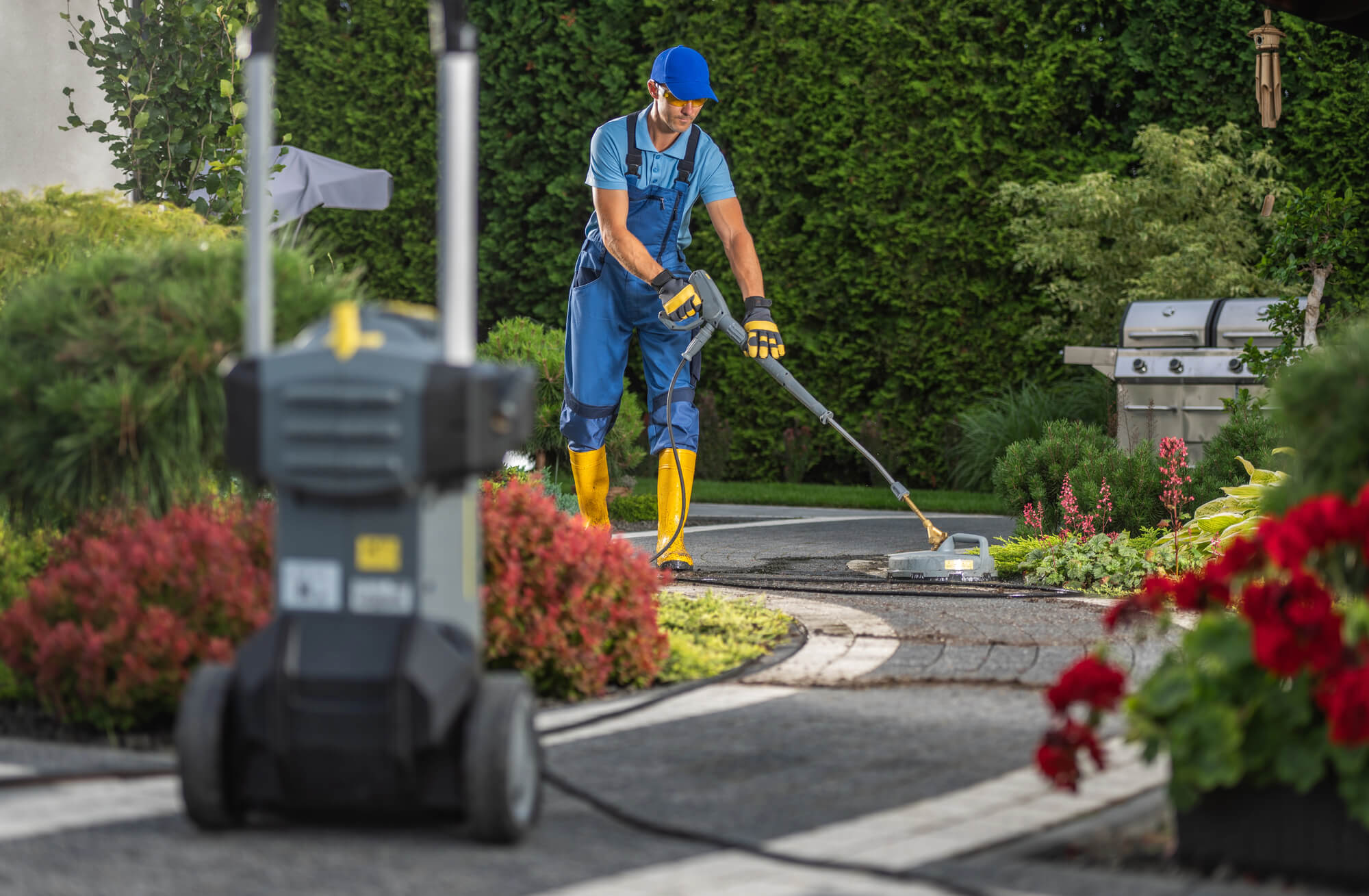
- Commercial-Grade Pressure Washers: Including hot water units, electric and/or gas-powered systems, water tanks, hoses, down stream injectors, reels, surface cleaners, and safety gear.
- Service Vehicles: Branded trucks or vans may be required to carry water tanks and equipment. Many franchisors offer vehicle outfitting guidelines or partnerships.
- Licensing and Insurance: General liability coverage, work comp, vehicle insurance, business licensing, and local compliance with EPA or water runoff regulations.
- Uniforms and Branding Materials: Branded apparel, signage, decals, and marketing collateral enhance credibility and support local advertising.
- Technology and Software: CRM platforms, scheduling systems, digital quoting tools, and route optimization apps are standard in most franchise systems.
- Franchise Fees and Royalties: One-time franchise fee paid at signing, followed by monthly royalties and contributions to marketing funds.
Having a clear breakdown of these expenses in your business plan is essential for securing funding, managing cash flow, and preparing for your launch window.
Training and Onboarding
Franchise systems are built to help you succeed, and most include a comprehensive training program that equips new owners, regardless of prior industry experience, with the tools they need to thrive.
Topics commonly covered:
- Equipment Operation & Maintenance: How to safely operate pressure washing units, troubleshoot common issues, and maintain optimal performance.
- Surface and Chemical Knowledge: Understanding which pressure levels, nozzles, and detergents are safe for various surfaces (vinyl, concrete, stucco, wood, etc.).
- Customer Service Systems: Handling client inquiries, estimating jobs, managing reviews, and maintaining satisfaction through follow-ups.
- Team Hiring and Management: Recruiting and training field technicians, building a productive team culture, and tracking technician performance.
- Marketing Execution: Deploying local advertising, optimizing your online presence, and generating leads through digital and community channels.
- Territory Planning: Understanding your protected area, ideal customer profiles, and how to grow market share strategically.
Many franchisors also offer remote learning modules, field shadowing, and post-launch coaching to ensure your onboarding is smooth and practical.
The Role of the Franchisee
As a power washing franchise owner, your daily role depends on your business model (owner-operated or semi-passive). Regardless of involvement level, most franchisees are responsible for:
- Team Oversight: Hiring, training, and managing technicians to ensure safe, effective service delivery.
- Sales and Estimates: Meeting with clients, assessing job sites, providing quotes, and closing deals.
- Customer Management: Handling communication, feedback, online reputation, and retention strategies.
- Scheduling and Route Optimization: Managing appointments efficiently and minimizing downtime between jobs.
- Equipment Logistics: Ensuring machinery is cleaned, maintained, and ready for deployment at all times.
- Franchisor Communication: Participating in check-ins, submitting reports, and accessing available support and resources.
Ultimately, success as a franchisee means applying operational consistency, local marketing effort, and leadership, all while delivering an excellent customer experience on every job.
The Market for Power Washing Franchises
The power washing industry is growing steadily, driven by rising standards of cleanliness, a booming home improvement sector, and increased demand across commercial and industrial markets. With more than 32,000 pressure washing businesses operating in the U.S. and 41,799 technicians employed as of 2024, the sector is well-established, yet still ripe for new entrants with strong branding, professional service, and local presence.
Franchise systems are well-positioned to capitalize on this growth by offering operational consistency, national marketing strength, and streamlined customer experiences.
Target Customer Segments
Power washing is not a one-size-fits-all service. The customer base spans multiple industries and demographics, each with unique needs and purchase drivers:
- Homeowners: The largest segment by volume. They seek exterior cleaning for driveways, siding, decks, fences, patios, and gutters, often seasonally or before home sales.
- Real Estate Professionals: Agents and property managers use pressure washing to enhance curb appeal, support staging, or prepare homes for listing and showings.
- Commercial Property Managers: Office parks, shopping centers, and restaurants often require recurring service for sidewalks, facades, parking lots, and dumpster pads.
- Municipal and Government Clients: Public buildings, sidewalks, signage, and infrastructure require routine maintenance and graffiti removal.
- Industrial Clients: Warehouses, factories, and equipment fleets require more technical services, including hot water cleaning and degreasing.
These customer personas help franchisees tailor marketing campaigns, equipment packages, and staffing plans to maximize impact and ROI.
Strategies for Business Expansion
The scalability of a power washing franchise is one of its key advantages. Once you’ve established operational efficiency in a single territory, there are multiple pathways to grow:
- Expand Your Territory: Add more vehicles and staff to cover neighboring zip codes or counties, especially where competitor presence is light, and if the franchise agreement allows for it.
- Add Commercial and Industrial Contracts: Diversifying beyond residential clients can bring in higher-value, repeat contracts with longer-term revenue visibility.
- Introduce New Services: Offer gutter cleaning, soft washing for roofs, window washing, lawn care, or fleet vehicle cleaning to increase ticket size and customer loyalty.
- Develop Seasonal Promotions: Strategically timed offers (e.g., spring cleaning, holiday prep) help maintain strong lead flow and fill your schedule throughout the year.
- Build Referral Engines: Encourage satisfied clients to refer neighbors and business contacts by offering discounts or loyalty rewards.
Smart franchisees use CRM tools and franchisor support to identify high-performing services and regions, then double down on what works. This creates sustainable growth while maintaining operational control.
Benefits of Investing in a Power Washing Franchise
Investing in a power and pressure washing franchise means aligning with a business model built on efficiency, mobility, and recurring demand. Whether you’re drawn to residential home services, commercial property care, or industrial equipment maintenance, power washing offers a balance of flexibility and profit potential, all backed by a growing market.
Built-In Market Advantage
Power washing franchises benefit from multiple tailwinds that create strong entry points and long-term opportunities:
- Consistent Demand: Cleaning needs are evergreen, driven by weather, time, environmental buildup, and seasonal home maintenance habits.
- High Visibility Services: Results are immediate and noticeable, often driving referral business and “neighbor effect” opportunities.
- Growing Industry: With a U.S. market projected to reach $570 million by 2034, the sector continues to expand thanks to both residential and commercial demand.
- Low-Barrier Entry: Compared to industries like automotive or foodservice, power washing franchises generally have lower overhead and require no storefront or inventory.
These structural advantages make the business attractive to first-time entrepreneurs, tradespeople, and investors looking for a scalable, service-based opportunity.
Simplified Operations With High ROI Potential
Power washing businesses are operationally lean, making them well-suited for fast ramp-up and early profitability. Franchises help simplify processes so you can focus on execution and growth.
Advantages include:
- Low Equipment and Supply Costs: While initial machines and vehicles are an investment, ongoing operating costs remain low, mostly water, fuel, maintenance, and minor consumables.
- Mobile and Remote Friendly: Many franchisees operate without a physical office, keeping overhead low and allowing more flexibility.
- Digital Tools and Automation: Online scheduling, job tracking, and customer communication tools are often built into the franchisor’s platform.
- Scalable Labor Models: Start solo or with a small team, then grow as demand increases.
With careful planning and strong local marketing, power washing franchises can deliver fast returns and ongoing cash flow stability, especially in markets with high property values or commercial density.
Franchisor Support and Systems
A major benefit of franchising is the access to proven systems and support networks. Top-tier power washing franchises provide:
- Comprehensive Training: Covering everything from surface chemistry and nozzle safety to sales, marketing, and team building.
- Marketing & Lead Generation: National campaigns, online advertising templates, and tools for managing reviews, referrals, and promotions.
- Scheduling & CRM Software: Proprietary platforms that manage client data, job routing, and invoicing, helping streamline daily operations.
- Operational Playbooks: Clear guidance for hiring, quality control, customer service, and expansion.
- Franchisee Community: Peer learning opportunities, regional meetups, and mastermind-style support from others in the network.
This support ecosystem enables franchisees to move quickly, troubleshoot challenges, and avoid the costly mistakes that often hinder independent startups.
How to Evaluate a Power Washing Franchise Opportunity
Choosing the right franchise opportunity is a major decision that should be approached with careful planning, research, and due diligence. With dozens of power washing franchise brands on the market, each with varying levels of support, territory sizes, and equipment requirements, your ability to assess fit and financial alignment is critical.
This section outlines how to evaluate a power washing franchise through both documentation and real-world feedback.
Due Diligence and the FDD
Your evaluation process starts with a close review of the Franchise Disclosure Document (FDD), the legally mandated document that outlines everything from costs to expectations. Specific areas to focus on include:
- Item 6: Royalty fees and ongoing costs, which may include flat or percentage-based royalties, marketing fund contributions, software fees, and training expenses. Make sure you’re clear on what you’ll be paying monthly.
- Item 7: A detailed breakdown of the initial investment, including equipment purchases, licensing, working capital, and other upfront expenses.
- Item 11: Describes the training, support, marketing assistance, and software systems provided by the franchisor, essential for understanding how much help you’ll receive.
- Item 19 (if included): This optional section shares financial performance data of existing franchisees. It helps estimate potential revenue, profit margins, and seasonality of the business.
- Items 20 & 21: Review the network’s size, growth trajectory, and the franchisor’s financial statements. This reveals long-term viability and how much reinvestment is being made into the system.
A franchise consultant can walk through the FDD to help identify red flags, uncover hidden obligations, and clarify what each clause means in practical terms.
Questions to Ask the Franchisor
As you move into discovery day or exploratory conversations with the franchisor, come prepared with detailed questions to gauge transparency, support, and franchisee success rates.
Here are a few to prioritize:
- What does your onboarding and field training program include?
- What systems do you offer for quoting, job tracking, and invoicing?
- How do you generate leads or support local marketing?
- What’s included in the franchise fee: equipment, software, or brand assets?
- How are territories defined, and are they protected?
- What are typical staffing requirements to break even or scale?
- Are there seasonal dips, and how do franchisees mitigate them?
These questions not only help clarify expectations but also signal to the franchisor that you’re serious, strategic, and thorough, often leading to deeper insights and more open discussions.
Validation: Speak With Current Franchisees
One of the most important steps in your research process is franchisee validation, which means speaking directly with current owners to understand the day-to-day reality of running the business.
Ask questions such as:
- What does your average week look like in terms of time and tasks?
- How well does the franchisor support you when challenges arise?
- What marketing channels bring you the most leads?
- What were your biggest surprises — good and bad — in your first year?
- How long did it take you to break even and feel stable?
- Are you planning to expand into another territory?
Franchisees are often candid and insightful. Their feedback will help you calibrate expectations and determine whether the brand’s promises match operational realities.
Is a Power Washing Franchise Right for You?
Power washing franchises offer a compelling path into the home and commercial services sector, but they aren’t one-size-fits-all. The model rewards individuals who are operationally focused, customer-driven, and excited by the idea of delivering visible, high-impact results. Before you move forward, it’s important to evaluate your fit from both a lifestyle and leadership perspective.
Ideal Franchise Owner Profile
You don’t need to be an experienced contractor or technician to succeed in the power washing business. Franchisors typically provide extensive training on equipment, safety, and surface-specific techniques. However, certain qualities and mindsets increase your likelihood of success:
You might be a great fit if you:
- Enjoy working outdoors or managing field-based teams
- Appreciate structure, systems, and hands-on customer service
- Are comfortable with service-based businesses and mobile operations
- Value long-term customer relationships and community trust
- Have strong time management and operational oversight skills
Whether you’re a career changer, corporate executive, tradesperson, or investor, your ability to follow a proven system while delivering a high-quality customer experience will be the key to growth.
Time Commitment and Lifestyle Fit
Unlike retail or foodservice franchises that often require extended hours and storefront oversight, power washing franchises tend to offer more predictable schedules, especially once systems are in place.
- Workweek Focus: Most residential jobs are performed Monday through Friday during daylight hours, though some commercial or urgent jobs may be scheduled after-hours.
- Flexible Ownership Models: Whether you want to be hands-on in the field or manage a team from a higher level, the business model allows for either structure.
- Minimal Late-Night Work: Unless servicing commercial accounts that require off-hours cleaning, most owners enjoy balanced schedules.
- Scalable Teams: As the business grows, you can shift from fieldwork to business development, team oversight, and expansion planning.
This makes power washing franchises particularly attractive to lifestyle entrepreneurs, those seeking a second act in business, or anyone looking to transition from labor-intensive or inflexible careers.

Next Steps: Your Franchise Ownership Journey Starts Here
Deciding to become a business owner is one of the most important professional moves you’ll ever make. Fortunately, you don’t have to navigate the process alone. Whether you’re still exploring the power or pressure washing industry or already comparing franchise brands, FranChoice offers the clarity, resources, and guidance to move forward with confidence.
The Role of FranChoice
Exploring franchise opportunities can feel overwhelming, especially in a competitive industry like home services. That’s where FranChoice comes in. We offer expert guidance at every stage of your journey — from identifying the right industry fit to helping you connect with pre-screened franchise systems that align with your goals.
Our experienced consultants help you:
- Clarify your investment range, business goals, and ideal work-life balance
- Explore the power washing industry with industry-specific insights and brand comparisons
- Navigate Franchise Disclosure Documents (FDDs) and prepare key questions for franchisors
- Match with franchise concepts that fit your financial profile, schedule preferences, and leadership style
Unlike generic franchise directories, our approach is personal, strategic, and grounded in real-world performance, rather than advertising placements.
Free Consultation With a Franchise Consultant
Our services are always free to those considering franchise ownership. There’s no obligation, no pressure, and no strings attached, just personalized guidance to help you make informed decisions.
With FranChoice, you gain:
- Access to a curated network of pre-screened franchises
- Expert advice from consultants who understand the full franchising landscape
- A customized, step-by-step discovery process tailored to your needs
- Support in preparing for validation calls, evaluating financial disclosures, and negotiating confidently
Whether you’re just exploring or actively evaluating franchise opportunities, a consultation with FranChoice gives you clarity, structure, and momentum.
Creating a Business That Shines Under Pressure
Power washing franchise opportunities bring together some of the most appealing elements in the home services space: visible transformation, mobile flexibility, and year-round demand. Whether it’s a homeowner preparing to list their property, a restaurant needing regular facade cleanings, or a logistics company seeking equipment sanitation, your washing company delivers real value through professional exterior cleaning, pressure cleaning, and soft wash services that remove stubborn stains and restore surfaces.
And you don’t have to go it alone.
With a power washing franchise, you get more than a business in a box; you gain a clear business plan, proven washing methods, industry-tested systems, and ongoing support that helps cleaners operate efficiently and consistently. With guidance from FranChoice, you can identify the right fit, avoid costly missteps, and launch a scalable business designed for long-term profitability.
If you’re ready to build a local service business that delivers visible results through smart washing methods and reliable exterior cleaning—and you want a trusted partner to help you find the best path forward—reach out to FranChoice and schedule a call.
Your journey to franchise ownership starts here, and it starts with confidence.