Table of Contents
The electrical industry powers every aspect of modern life, from lighting homes and offices to enabling complex technology, smart systems, and clean energy solutions. As innovation accelerates and sustainability becomes a priority, the demand for reliable, certified electricians has never been stronger. For aspiring entrepreneurs seeking recession-resistant opportunities in the booming home services sector, electrical franchise opportunities provide a dynamic combination of technical expertise, strong earning potential, and long-term business scalability.
Whether you’re a licensed electrician ready to move beyond independent electrical contracting or a first-time business owner seeking a proven model with strong brand recognition and ongoing support, this guide walks you through everything you need to know.
From understanding how electrical franchising works and exploring startup requirements to assessing industry trends, customer demand, and future growth potential, this guide will help you evaluate if electrical franchise ownership is the right path for you.
Let’s begin with the franchising fundamentals, because behind every successful electrical service brand is a franchisee who made a strategic, informed decision.
Understanding Franchising: The Foundation of Every Opportunity
Mastering the fundamentals of franchising is your gateway to confidently launching a successful electrical business. Let’s explore the key concepts that form the backbone of every opportunity in the electrical franchise world.
What Is a Franchise?
A franchise is a structured business model that enables individuals to operate under the banner of a recognized brand, leveraging its operational systems, training programs, and ongoing support. In this model, the franchisor—the brand owner—grants the franchisee the right to offer services under its name and proven framework.
For franchisees, this setup offers an efficient route into entrepreneurship with a reduced risk profile. Instead of building a company from scratch, you adopt a well-tested business model, backed by training, marketing assets, and operational templates. In return, franchisees enter a legal agreement that outlines mutual obligations, including the initial franchise fee and ongoing royalty payments.
Here’s a breakdown of the core roles:
- Franchisor: The organization that owns the brand, service systems, trademarks, and the operational blueprint.
- Franchisee: The entrepreneur who invests in launching and running the local franchise location or territory.
This collaborative relationship creates a win-win dynamic, where franchisees help expand the brand’s footprint while accessing an already established system. In technical service sectors like the electrical industry, this is especially valuable, given the complexity of codes, licensing, safety regulations, and technological innovation.
Essential Franchise Costs and Terms Explained
Every electrical franchise opportunity comes with a unique financial framework. Understanding these core terms will help you create a realistic startup plan and prepare for long-term growth.
- Initial Investment: This covers everything needed to launch your franchise, including franchise fees, branded vehicles, tools, licensing support, working capital, and marketing. In the electrical industry, investment levels can vary depending on territory size, real estate (if needed) for a franchise location, services offered (e.g., residential, solar, EV chargers), and staffing needs.
- Franchise Fee: A one-time payment that grants you access to the brand, systems, and onboarding resources.
- Royalty Fees: These are ongoing payments (typically a percentage of gross sales) made to the franchisor in exchange for continuous support, brand maintenance, and system improvements.
- Marketing Fee / Advertising Fund: Contributions to collective marketing initiatives, which may include national advertising, digital campaigns, SEO, and local lead generation strategies.
- Training Programs: Electrical franchise systems often provide comprehensive training, covering safety protocols, service execution, customer interaction, scheduling systems, and compliance with regional codes and permitting processes.
- Franchise Disclosure Document (FDD): This legal document outlines the franchisor’s track record, cost structure, financial disclosures, and mutual responsibilities. It’s a critical resource in your due diligence process.
- Startup Costs: These include specialized electrical tools, branded uniforms, technology licenses, permit acquisition, and vehicle outfitting. Many franchisors help negotiate supplier discounts or provide preferred vendor relationships to streamline setup.
Understanding these elements early will set clear expectations and help you assess whether a franchise business aligns with your goals, capital, and risk tolerance.
Why Choose a Franchise Over Starting From Scratch?
Launching an electrical business independently means navigating complex licensing laws, building a brand from zero, and learning through costly trial and error, which can be a daunting task even for an experienced electrical contractor. In contrast, a franchise can offer a strategic head start with proven support systems and built-in brand trust.
Here’s why many entrepreneurs choose an electrical franchise:
- Immediate Credibility: Customers trust established brands, especially when it comes to safety-focused industries like electrical services and home services. A successful franchise can bring instant recognition and reputation, reducing sales friction.
- Established Business Systems: From customer scheduling software to job quoting, vehicle routing, invoicing, and marketing, franchises provide you with systems that work out of the box.
- Regulatory and Licensing Support: With varying state and local requirements, navigating electrical permits and licensing can be overwhelming. Franchisors help guide you through compliance requirements.
- Ready-to-Go Marketing Frameworks: National and local campaigns, SEO support, branded materials, and lead funnels are often built into the system, saving you years of testing and refinement.
- Peer and Corporate Ongoing Support: Franchisees benefit from a community of fellow owners and access to regional trainers, technical advisors, and field support teams.
Franchising accelerates your growth, helps avoid early-stage mistakes, and provides the infrastructure to scale effectively. If your goal is to own a professional electrical services business with staying power and growth potential, franchising offers a compelling path forward.
What Are Electrical Services Franchises?
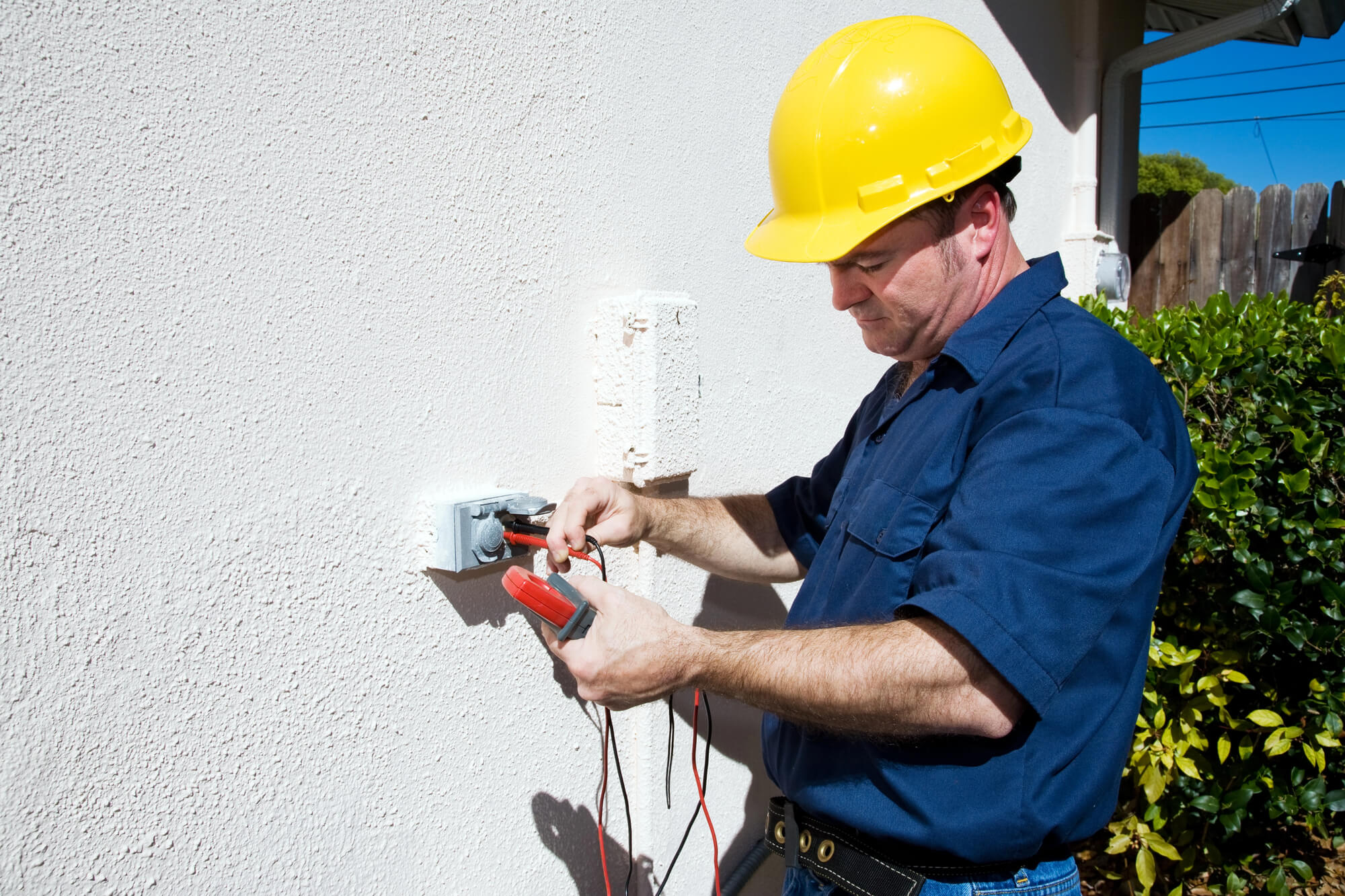
Electrical services franchises are a specialized segment within the broader home and commercial services industry. These businesses focus on electrical installation, repair, inspection, and upgrade work across residential, commercial, and even industrial settings. From the traditional wiring and panel work every electrical contractor offers to the latest in smart technology and renewable energy, this sector plays a critical role in modern infrastructure.
As electricity becomes more embedded in everyday life, with smart home systems, EV charging stations, and solar upgrades, demand for certified, trustworthy electrical professionals continues to grow. Electrical franchise opportunities offer aspiring business owners a way to enter this essential and expanding field with the backing of an established brand and systems.
What sets electrical franchises apart from independent operations is the fusion of skilled labor with efficient business infrastructure.
As buildings age, new technologies emerge, and sustainability becomes a national focus, the electrical industry is positioned for resilient growth, making electrical services franchises a compelling choice for long-term investment.
Types of Electrical Franchise Opportunities
Electrical services franchises support a wide range of residential, commercial, and industrial needs. Below are the most common service categories that franchisees may offer, each representing a vital, high-demand segment within the broader electrical industry.
Electrical Panel Upgrades and Replacements
Modern homes and businesses often outgrow outdated electrical panels. Franchisees can offer upgrade services to property owners that improve safety, support higher electrical loads, and ensure compliance with evolving code requirements.
Wiring and Rewiring Projects
From new construction to older buildings in need of upgrades, wiring is a foundational service. Electrical businesses can handle full-system installations, targeted rewiring, and corrections of unsafe or non-compliant electrical systems.
Indoor and Outdoor Lighting Installation
Lighting installation, whether for ambiance, utility, or safety, is a frequent customer request. Franchises offer expert installation of chandeliers, LED systems, landscape lighting, motion-sensor lights, and more.
Electrical Safety Inspections and Code Compliance
Regular inspections help identify fire hazards, overloaded circuits, and outdated equipment. Franchises often provide compliance reports, home sale certifications, and upgrades required to meet local code.
Smart Home Technology Integration
As homes become more connected, electrical contractors are increasingly tasked with installing and configuring smart thermostats, lighting controls, home security, voice assistants, and automation systems.
EV Charging Station Installation
With electric vehicle ownership on the rise, residential and commercial customers are installing Level 2 and fast-charging stations. Many electrical business franchises can help property owners assess capacity, secure permits, and manage installation.
Backup Generator Installation and Power Systems
Franchises can install whole-home or business-grade generators, ensuring that customers maintain power during outages. Services include generator selection, panel integration, and maintenance plans.
Energy Audits and Power Optimization
Electrical franchises can also assess consumption patterns and therefore recommend cost-saving upgrades like LED lighting, power factor correction, and smart breakers, helping customers reduce their monthly energy bills.
Solar Panel and Battery Backup System Installation
Many franchises now offer solar power integration, including rooftop panel installation and battery storage solutions. These services appeal to eco-conscious homeowners and businesses seeking energy independence.
Retrofit Services for Aging Buildings
Older properties often require system-wide upgrades to accommodate modern electrical demands. Franchises handle full retrofits, which may include new panels, rewiring, and infrastructure improvements.
Commercial Tenant Improvements and Buildouts
Electrical franchises serve commercial landlords and business tenants by modifying or expanding electrical systems during renovations or buildouts, including lighting, outlet layout, and dedicated equipment circuits.
Data Cabling and Low-Voltage Wiring
Modern businesses and smart homes require specialized cabling for data networks, intercoms, and security systems. Franchisees can offer CAT5/CAT6 wiring, coaxial installations, and integrated audio/visual systems.
Maintenance Contracts and Recurring Service Programs
Many franchisors encourage ongoing service contracts for homes and commercial clients, creating steady recurring revenue through preventive maintenance, inspections, and on-call troubleshooting.
Business Models and Operational Styles
Electrical franchise opportunities are designed to be flexible, catering to a range of ownership preferences, experience levels, and market types. Whether you’re planning to operate the business hands-on or hire a team to run it for you, there’s a franchise business model to match your vision.
Ownership Styles
- Owner-Operated Model: In this setup, the franchisee is directly involved in day-to-day operations. They may perform electrical work (if licensed), manage technicians, oversee customer service, and handle local marketing. This model is ideal for electricians looking to transition from solo practice to scalable ownership.
- Manager-Run or Semi-Passive Model: Here, the franchisee acts as an executive owner, hiring licensed electricians and a manager to handle daily logistics. This approach allows for multi-unit expansion or maintaining another job while the business grows under professional management.
Location Styles
- Mobile Service Model: Most electrical franchises operate without the need for a storefront. Technicians are dispatched from home or a central base using branded service vehicles equipped with tools, GPS tracking, and scheduling software.
- Office or Warehouse-Based Model: In higher-volume or multi-crew operations, a small facility may be used to store parts, manage logistics, or serve as a hub for training and administration. This is common in commercial-heavy franchises.
Team-Based Field Operations
As the franchise grows, you’ll scale into a team model, employing industry professionals with technical expertise, dispatchers, and customer service staff. Efficient team management, workforce scheduling, and technician retention become key levers for operational success and customer satisfaction.
Customer Expectations
Customers seeking electrical services prioritize safety, reliability, transparency, and professionalism. They expect licensed technicians, clear pricing, and timely communication from an electrical business.
Franchise systems often help deliver on these expectations through:
- Maintenance Contracts: Recurring service agreements for inspections and preventive maintenance offer convenience for customers and stable income for franchisees.
- On-Demand Repairs: Many customers require urgent fixes, such as outage troubleshooting or breaker replacements. Prompt scheduling and 24/7 service options are highly valued.
- Transparent Pricing and Estimates: Whether residential or commercial, customers want detailed, up-front pricing and clear scope-of-work documents. Many franchises include quoting software and pricing guidelines to support this.
- Clean, Branded Presence: Professional uniforms, well-marked vehicles, and consistent branding inspire trust, particularly important in industries that enter homes and private properties.
- Online Scheduling and Digital Convenience: Customers increasingly expect to book service online, receive status updates by text, and pay electronically. Franchises often equip you with the tools to meet this demand.
Deliver consistently high service and you’ll not only attract new customers but also foster loyalty and referrals that drive long-term growth.
What You’ll Need to Start an Electrical Services Franchise
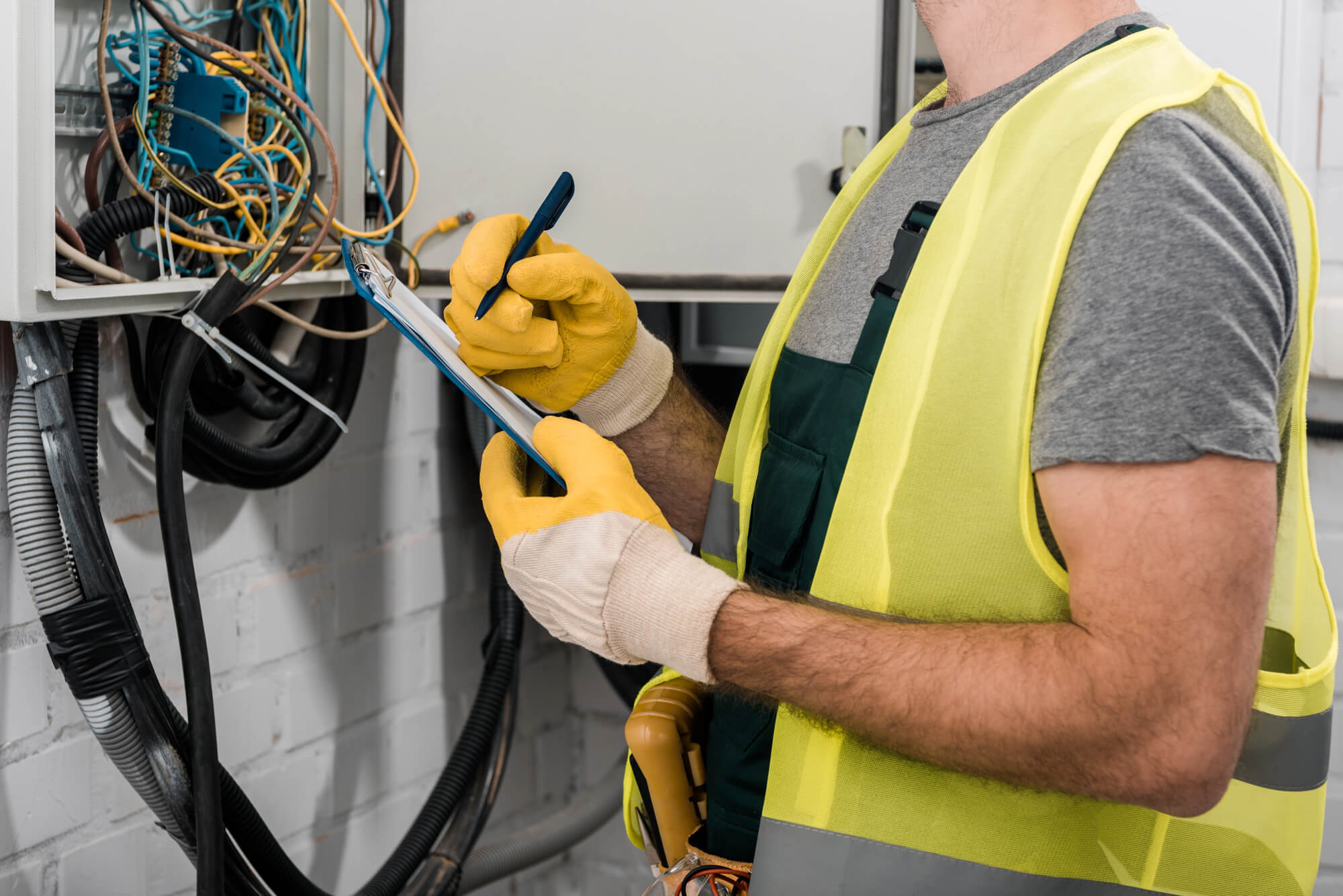
Starting an electrical business involves both practical readiness and regulatory compliance. While the franchise model streamlines many complexities, you’ll still need to prepare for essential startup activities like licensing, training, financing, and equipment procurement.
Startup Requirements and Common Costs
Franchise systems are designed to reduce the guesswork in launching your business, but entering the electrical industry still requires specific investments.
Key startup components include:
- Initial Investment Ranges: The total startup cost typically includes your franchise fee, tools, branded service vehicles, working capital, insurance, uniforms, software subscriptions, and licensing assistance. Electrical franchises generally offer a moderate entry point, especially compared to other industries that require real estate or inventory-heavy operations.
- Specialized Equipment: You’ll need diagnostic tools, circuit testers, conduit benders, voltage meters, safety gear, and potentially equipment for smart tech or solar installations. Some franchisors help with preferred vendor pricing and sourcing.
- Branded Vehicles: Service vans equipped with shelving, safety equipment, branding, and GPS systems are a mobile advertisement and essential for operations.
- Licenses, Permits, and Insurance: Depending on your state and local laws, you or your hired electrician(s) will need proper trade licenses. Some areas also require electrical permits, inspections, or business entity registration. Liability insurance and workers’ comp are typically mandatory.
- Franchise and Royalty Fees: Your initial franchise fee secures your territory and onboarding, while ongoing royalties (usually a percentage of revenue) cover system access, support, and brand value.
- Marketing and Technology Fees: Expect to contribute to national or regional advertising campaigns and to invest in the technology tools needed to run the business, such as CRM, dispatching, scheduling, or quoting systems.
Franchisors will guide you through budgeting, licensing, and compliance steps, often providing checklists and vendor relationships to streamline your setup.
Training and Onboarding
One of the most powerful advantages of franchising in the electrical space is access to comprehensive training and onboarding systems. Maybe you’re an electrician seeking business acumen or a business owner needing technical insights; regardless, franchisors provide structured support.
Here’s what to expect:
- Technical Training: If you’re licensed or employing licensed staff, training will focus on service standards, safety protocols, and franchise-specific techniques for installations, diagnostics, and repairs. Many systems include hands-on labs and continuing education for code updates and innovations like EV charging or smart systems.
- Business Operations: You’ll likely receive instruction on everything from job quoting and invoicing to customer management, scheduling, inventory tracking, and route optimization. This transforms a trade skill into a repeatable, scalable business.
- Customer Interaction and Sales: Whether it’s residential or commercial service, many franchise systems teach service excellence, how to manage consultations, upsell appropriately, and maintain customer satisfaction for repeat business.
- Technology Training: Most franchises provide software systems for scheduling, invoicing, marketing, and field management. Training ensures you can track performance, automate key tasks, and operate efficiently from day one.
- Recruitment and Team Building: Growing beyond a solo operator requires smart hiring. Franchisors may offer hiring templates, onboarding frameworks, and management systems to help build and lead your crew effectively.
Franchise onboarding is designed to compress the learning curve and prepare you to run a professional electrical service business with confidence, whether you’re coming from the trade or another industry.
The Role of the Franchisee
While the franchisor provides the blueprint, it’s the franchisee who brings the business to life through leadership, service delivery, and local execution.
Your day-to-day may include:
- Crew Scheduling and Management: Ensuring technicians are deployed efficiently, that response times are met, and that service quality remains high across all jobs.
- Customer Relations: Whether handling calls directly or overseeing staff, franchisees are the face of the business. Ensuring polite, clean, professional service is critical.
- Local Marketing and Outreach: While national campaigns support lead gen, franchisees often coordinate local promotions, community involvement, or partnerships with realtors and contractors.
- Performance Tracking: Using dashboards and KPI reports, you’ll monitor job volume, service margins, team performance, and customer feedback, making data-driven decisions for growth.
- Compliance and Safety: As the business owner, you’re responsible for ensuring your operation meets all licensing, safety, and regulatory standards.
This role blends business strategy, customer service, team management, and community leadership, making it an ideal fit for those who are both process-oriented and people-focused.
The Market for Electrical Franchises
The electrical services market is thriving and evolving fast. As one of the most essential sectors in the home services and commercial infrastructure landscape, the electrical industry benefits from consistent demand, driven by technological innovation, regulatory upgrades, sustainability efforts, and consumer expectations for safety and convenience.
According to recent projections, the electric service companies market size is forecast to increase by $13.45 billion at a CAGR of 7.46% between 2023 and 2028. Simultaneously, the U.S. Bureau of Labor Statistics anticipates a 9% growth in electrician jobs from 2024 to 2034, significantly faster than the national average.
This surge is fueled by macro trends like the rise of smart grid technologies, the electrification of vehicles and buildings, and the nationwide push toward cleaner, more efficient energy use.
From new construction and home renovations to smart home automation and EV adoption, electrical franchises are positioned at the center of a powerful transformation in how energy is used, managed, and delivered.
Target Customer Segments
A key strength of electrical franchises is their ability to serve diverse, recurring customer segments. Understanding who these customers are will help you align your offerings and maximize revenue opportunities:
- Homeowners: These customers frequently require services for remodeling, repairs, smart tech installations, lighting upgrades, outdoor lighting installations, surge protection, and EV charger installations. Residential clients often prefer trusted, branded providers for safety-critical work.
- Commercial Clients: Office buildings, retail locations, restaurants, and industrial sites have continuous electrical needs, ranging from large-scale installations to routine maintenance and emergency response.
- Real Estate Investors & Property Managers: Multi-unit housing and commercial complexes require electrical contractors for turnover repairs, lighting retrofits, and energy code compliance. Franchises can build long-term maintenance contracts with these high-volume clients.
- Eco-Conscious Consumers: As demand for solar panels, smart energy management, and electric vehicles increases, so too does the need for qualified electricians to integrate and maintain these systems.
- Developers and General Contractors: New builds or major renovations rely on professional electrical teams. Franchisees with strong operations and licensing can build relationships with construction firms for long-term, high-value projects.
Franchise owners can generate steady lead flow and long-term contracts across residential and commercial verticals when tailoring service offerings, pricing strategies, and marketing efforts to meet these distinct segments.
Strategies for Business Expansion
Once your electrical franchise is established, growth opportunities will come. Many franchisees choose to scale by expanding territory, deepening service offerings, or increasing operational capacity.
Here are some of the most effective strategies:
- Territory Expansion: Many franchisors offer protected territories, with the option to purchase adjacent regions as your business grows. This allows you to centralize operations while scaling your geographic footprint.
- Service Diversification: As your technician team grows, you can expand into new offerings such as smart home integration, solar power systems, or data cabling—helping you meet evolving customer needs and drive higher ticket values.
- Recurring Revenue Models: Implementing maintenance plans, safety inspections, and preferred service memberships builds predictable monthly income and improves customer retention.
- Digital Marketing Optimization: Use geotargeted advertising, SEO, and online reviews to capture more local search traffic. Franchisors often provide tools and training to amplify your presence and drive conversions.
- Referral Partnerships: Connect with realtors, interior designers, solar consultants, and builders who can refer clients needing electrical services during upgrades or transitions.
- Team Development and Retention: Building a strong technician team with a focus on training, leadership, and company culture enables you to scale while maintaining service quality.
With a proven franchise system, smart operational management, and alignment with industry trends, electrical franchise owners can build scalable, high-performing businesses that grow year after year.

Benefits of Investing in an Electrical Services Franchise
Owning an electrical franchise means stepping into a sector that’s essential, scalable, and primed for technological growth. Whether you’re entering the home services space for the first time or expanding an existing business portfolio, electrical franchises provide the potential for a compelling balance of stability, flexibility, and future-forward opportunity.
Built-in Market Advantage
Electrical services are considered essential because customers can’t delay repairs, upgrades, or compliance-related installations for long. That built-in demand creates a powerful foundation for franchisees looking to enter a recession-resistant market.
Key market advantages include:
- Consistent, Year-Round Demand: Electricity is critical in every season. It doesn’t matter if customers are upgrading lighting, installing EV chargers, or resolving power issues; the need never fades, creating year-round business opportunities.
- Broad Service Scope: From home automation and generator systems to solar panel installs and rewiring projects, franchisees can choose the services that best match their local market and skill base.
- High Customer Retention: Electrical work is often performed on the same properties over time. Once trust is established, homeowners and business owners tend to stick with providers who deliver safe, professional results.
- Strong Reputation Leverage: Established franchise brands help eliminate uncertainty for clients. In safety-centric sectors like electrical work, brand recognition carries significant weight when earning new business.
- Economic Resilience: Because electrical issues are tied to basic functionality, demand persists even in down markets. From compliance inspections to essential repairs, these services aren’t easily postponed.
Simplified Operations With High ROI Potential
Electrical franchises offer a lean, efficient business model that’s far less complex than retail or food-based operations. With no inventory to spoil, no storefront to manage, and minimal overhead, franchisees can focus on service quality and customer acquisition.
Benefits include:
- Lower Startup and Operating Costs: Most electrical businesses launch with a service van, tools, software, and licensing support—far less capital-intensive than location-based models.
- Efficient Staffing: Many franchisees start with a small team and scale up. With efficient scheduling tools and training systems, you can optimize labor for profitability without overstaffing.
- No Inventory Risk: Parts and supplies are typically ordered on demand or stocked in small quantities, eliminating the need for large-scale inventory management and spoilage costs.
- High-Ticket Jobs: Electrical services—especially installations, generator setups, EV chargers, or solar systems—often command premium pricing, enabling higher average revenue per job.
- Technology-Enhanced Service Delivery: Franchisors equip you with systems to streamline quoting, scheduling, routing, and invoicing—enhancing productivity and improving customer satisfaction.
This streamlined structure creates room for rapid scaling and profitability, especially when combined with repeatable systems, lead generation tools, and training frameworks provided by the franchisor.
Franchisor Support and Systems
One of the most valuable elements of franchise ownership is the operational infrastructure and support that comes with the brand. You’re not just buying a name but also stepping into a system that’s been refined for performance.
Here’s what electrical franchisors typically provide:
- In-Depth Training Programs: Covering technical skills, customer service, scheduling, safety, and business operations. Whether you’re licensed or hiring licensed techs, training prepares you to run a professional operation from day one.
- Marketing and Lead Generation: National campaigns, SEO, paid ads, and brand awareness initiatives are managed or guided by the franchisor, giving you a jump-start on acquiring customers.
- Software and Technology Platforms: Scheduling, dispatch, quoting, CRM, and even AI-driven diagnostics tools may be part of your franchise toolkit—improving efficiency and visibility across all business functions.
- Vendor Relationships and Discounts: Access to preferred pricing on tools, parts, equipment, and vehicle outfitting. This reduces overhead and streamlines procurement.
- Ongoing Coaching and Learning: Franchisors offer webinars, field visits, and updates to help you stay competitive and compliant with new technologies, local regulations, and customer trends.
- Peer Community and Support: Many franchise systems include mentorship groups, online forums, and regional meetups where franchisees can learn from one another, share strategies, and collaborate.
Franchise ownership in the electrical sector is more than just operating a business—it’s about leveraging proven systems, accessing powerful networks, and benefiting from a playbook built for success.
How to Evaluate an Electrical Franchise Opportunity
Not all electrical franchise systems are the best fit for you. Choosing the right one requires a combination of due diligence, strategic questioning, and firsthand validation from existing franchisees. Your decision should align with your financial goals, professional background, risk tolerance, and desired lifestyle.
Due Diligence and the FDD
The Franchise Disclosure Document (FDD) is your most valuable resource during the evaluation phase. Legally required and standardized across the industry, this disclosure document provides a detailed picture of the franchisor’s operations, financials, expectations, and history.
Key sections to review:
- Item 7: Total Investment: Understand the full range of startup costs, from the franchise fee and tools to licensing, vehicles, and working capital. Are the costs realistic for your goals and available capital?
- Item 6: Royalty Fees and Ongoing Costs: These may include flat or percentage-based royalties, marketing fund contributions, software fees, and training expenses. Make sure you’re clear on what you’ll be paying monthly.
- Item 19: Financial Performance Representations: If provided, this section offers insight into average revenues, cost structures, and profitability among current franchisees. While historical data doesn’t guarantee results, it can help set performance expectations.
- Item 11: Support and Training: Look at what’s offered before launch, during onboarding, and post-launch. Does the franchisor provide structured training in technical work, business operations, and customer service?
- Items 3 & 21: Litigation and Financial Stability: Review any legal history or red flags and examine the franchisor’s financial statements. A well-capitalized franchisor with a clean legal track record is a strong signal of long-term viability.
Reading the FDD carefully and analyzing it with the help of a franchise consultant will help you avoid surprises and ensure the system matches your business expectations.
Questions to Ask the Franchisor
During discovery calls and confirmation days, ask targeted questions to gauge the franchisor’s values, support systems, and scalability:
- What does the training program include, and how long does it last?
- What support is available after launch—both day-to-day and strategic?
- How do you help new franchisees recruit and retain licensed electricians?
- What is the average time to break even in your system?
- What marketing support do you provide at the local level?
- Are technology tools (like quoting and CRM software) included in the franchise fee?
- How do you stay ahead of industry trends, such as smart home systems or EV infrastructure?
The franchisor’s willingness to provide transparent, detailed answers and to connect you with current franchisees says a lot about their culture and commitment to your success.
Validation: Speak With Current Franchise Owners
Perhaps the most revealing step in your due diligence is speaking directly with franchisees who are actively operating within the system. These conversations (known as “validation”) offer insight into the real-world experience of running the franchise.
Topics to explore include:
- Daily Operations: What’s a typical workday like? How many calls do they handle? What tools or systems make the biggest difference?
- Team Management: How easy is it to hire and retain licensed electricians? What’s their approach to building a reliable field team?
- Marketing and Lead Generation: Are national campaigns effective? What’s working locally?
- Franchisor Support: How responsive is the corporate team? Do they feel supported during challenges or growth phases?
- Profitability and Expansion: How long did it take to reach profitability? Are they planning to expand into additional territories?
Ask to speak with both new owners and seasoned franchisees. This will give you a broader perspective on the franchise lifecycle and how the system supports long-term growth.

Is an Electrical Services Franchise Right for You?
Not every business model is the right fit for every entrepreneur. An electrical services franchise demands leadership, organization, and a strong commitment to safety and service. While you don’t necessarily need to be a licensed electrician to own a franchise, you do need to be business-minded, people-driven, and motivated to grow a team that delivers excellence.
Ideal Candidate Profile
Franchisees come from all backgrounds; some are licensed electricians ready to step out of the field and into ownership, while others are professionals seeking a recession-resistant business model with strong operational support.
Successful electrical franchise owners often share these qualities:
- Business Acumen: You understand budgets, ROI, scheduling, and basic operations, or you’re willing to learn quickly.
- Team Leadership: You’re comfortable hiring, managing, and retaining skilled technicians, and you value creating a positive, safety-first work culture.
- Customer Focus: Whether answering the phone yourself or leading a team, you believe in providing clear, honest, and high-quality service that builds lasting relationships.
- Growth Mindset: You’re interested in scaling over time, by expanding service lines, growing your team, staying on top of industry news, or adding additional territories.
- Process-Driven Thinking: You appreciate systems and checklists. You understand that consistency drives profitability and customer satisfaction.
If this sounds like you, franchising offers a structured path into the electrical industry, even if you’re transitioning from another field and not entering from a trade background.
Time Commitment and Lifestyle Fit
Running an electrical franchise is a full-time commitment, especially in the early stages. But with systems in place and the right hires, many owners find a rhythm that allows for long-term flexibility and even semi-passive ownership.
Here’s what to expect:
- Launch Phase (0–12 months): You’ll likely be involved in everything, including marketing, scheduling, quoting, customer service, hiring, and sometimes even on-site visits. Expect a steep but manageable learning curve with strong franchisor guidance.
- Stabilization Phase (Year 1–2): As you build your team and customer base, your focus will shift to refining processes, improving efficiency, and developing lead generation strategies. This is when many franchisees begin pulling back from daily technician management.
- Growth Phase (Year 2+): Once your foundation is solid, you can look toward territory expansion, multi-truck operations, or new service offerings like solar and EV infrastructure. Your role transitions into leadership, business development, and strategic oversight.
Franchising doesn’t guarantee easy hours, but with the right systems, it does offer a structured, supported path to business ownership with real lifestyle benefits over time.
Next Steps: Your Franchise Ownership Journey Starts Here
If you’ve made it this far, it’s clear you’re serious about exploring electrical franchise opportunities, and that’s a smart move rooted in strong entrepreneurial spirit. The demand is increasing across the electrical services industry. The latest developments in technology, energy efficiency, and electrical upgrades are accelerating growth. And with the right tools, training, and ongoing support, you can own business operations that are essential to residential and commercial customers who rely on electricity every day.
Franchising is more than just a business model—it’s a proven way to invest in business ownership with systems, resources, and expertise designed to help a small business thrive. Backed by an established brand or nationally recognized brand, franchise owners gain access to marketing, accounting software, operational systems, and a support network that reduces risk and improves long-term success. For those looking to control their future, owning an electric franchise can be a powerful path to building a successful business.
The Role of FranChoice
FranChoice is here to help you cut through the noise in a crowded franchise industry.
We work with aspiring franchise owners across the country, helping them explore top-rated electrical franchise and electrician franchise opportunities, including residential and commercial electrical services, commercial electrical services, repair services, and construction-related electrical work. Our consultants are highly trained, unbiased, and focused on helping you find the right franchise opportunity based on your goals, investment comfort level, lifestyle preferences, and vision for owning and operating a profitable business.
We’ll guide you through:
- Selecting franchise brands that align with your objectives, whether you want to join an established business or a growing global franchise organization
- Reviewing FDDs, costs, and financial models to support smart investment decisions
- Connecting with pre-screened franchisors, franchisees, and franchise owners to learn how electric franchisees provide services and support customers
- Evaluating territory availability for residential and commercial customers
- Preparing for discovery days, phone calls, and meetings to better understand operations, training, systems, and support
Best of all, our services are completely free to you. FranChoice is compensated by franchisors, not by you, giving you unbiased access to a wide array of service franchises.
Free Consultation With a Franchise Consultant
Curious about your options in the electric trade or broader service franchise space? Let’s talk.
During your consultation, a FranChoice advisor will:
- Learn about your background, goals, timeline, and desire to own business assets
- Educate you on the franchise investigation process and what franchise ownership looks like day to day
- Introduce electrician franchise and electric franchise opportunities that align with your vision, skills, and future growth plans
- Provide tools and resources to help you compare benefits, support, training, and marketing systems
- Walk you through the next steps, from exploration to purchase, development, and long-term operation
Whether you’re just starting your search or narrowing down options, a quick phone conversation can help clarify the right path toward owning a small business with confidence.
Creating a Business That Powers Homes, Businesses, and Communities
Electricity powers homes, businesses, security systems, and entire communities—and now, you have an opportunity to power a business that delivers essential electrical services across residential and commercial environments. With growing demand, industry innovation, and a proven franchise model, you can build more than a job. You can build a profitable, established business that supports customers, fuels growth, and fits your life goals.
From serving commercial customers to supporting residential electrical upgrades, electric franchise owners operate businesses that matter. If you’re ready to invest, join a trusted network, and build a future driven by energy, expertise, and success, schedule a call today and begin your journey toward electrical services franchise ownership with clarity and confidence.