Table of Contents
Maintaining clean, allergen-free indoor environments is no longer a luxury, particularly in a post-pandemic world: it’s a necessity. From residential homes to office buildings, fitness centers to healthcare facilities, upholstery and carpet cleaning businesses have become essential players in the booming home services and commercial cleaning industries.
Driven by rising health awareness, indoor pet ownership, increased real estate turnover, vacation rentals, and a surge in service outsourcing, professional carpet cleaning services are in high demand across nearly every demographic and geographic market.
Whether you’re drawn to a flexible, mobile service model or excited by the scalability of commercial contracts, this guide will walk you through everything you need to know about the carpet cleaning business. We’ll explore industry trends, franchise models, startup requirements, and how to determine whether this niche is the right fit for your entrepreneurial journey.
With a manageable initial investment, strong brand recognition, and built-in demand from both consumers and businesses, carpet cleaning franchises present a smart and scalable path to business ownership.
The Foundations of Every Franchise Opportunity
Before exploring the specifics of carpet cleaning franchises, it’s critical to understand the basic mechanics of franchising. Whether you’re new to the concept or simply need a refresher, these foundations will help clarify the value and structure of a franchise business model.
What Is a Franchise?
At its core, a franchise is a business agreement in which an individual or entity (the franchisee) operates a business using the branding, systems, and operational support developed by a larger parent company (the franchisor). This relationship allows entrepreneurs to launch with a proven model while receiving guidance and tools along the way.
In a carpet cleaning franchise, the franchisor provides everything from proprietary cleaning techniques and eco-friendly product training to marketing materials, operational systems, and carpet cleaning equipment recommendations.
Key distinctions include:
- Franchisor: Owns the brand and business model. Provides training, support, marketing systems, and operational guidelines.
- Franchisee: Invests in and runs the local unit using the franchisor’s model and resources, often within a protected territory.
Franchising offers a balanced blend of independence and support, especially appealing in industries like home improvement and cleaning services, where technical execution, customer satisfaction, and process consistency are critical.
Essential Franchise Costs and Terms Explained
Every franchise comes with a set of core financial and operational components. For franchise seekers evaluating carpet cleaning businesses, understanding these upfront terms is essential:
- Initial Investment: Includes everything from franchise fees, equipment, and training to vehicle outfitting, insurance, and working capital.
- Franchise Fee: A one-time fee paid to the franchisor for the right to use the brand and access its business systems.
- Royalty Fees: Ongoing fees, typically a percentage of gross revenue, that support ongoing training and certification, software, and franchisor infrastructure.
- Marketing Fund Contribution: A portion of revenue dedicated to shared marketing initiatives like national marketing campaigns, marketing materials, digital advertising, and brand development.
- Franchise Disclosure Document (FDD): A required legal document that outlines the details of the franchise opportunity, including fees, expectations, and support.
A well-structured business plan should account for all of these items, ensuring your startup is both financially viable and aligned with your long-term goals.
Why Choose a Franchise Over Starting From Scratch?
Launching a business from scratch comes with high risk and a steep learning curve. In contrast, buying into a franchise, particularly in the cleaning industry, offers a strategic shortcut to success:
- Brand Recognition: A recognized name helps win trust faster, especially when dealing with in-home or B2B services.
- Proven Systems: From quoting to job execution and follow-up, franchise systems are optimized for performance and customer satisfaction.
- Mentorship and Training: Learn best practices from day one, including cleaning technology, team structure, and sales processes.
- Marketing Support: Most brands offer a starter marketing package, including digital assets, social media templates, and even a Google Business profile setup.
- Faster Path to Revenue: With tools, systems, and leads often provided early, new franchisees can typically start generating revenue faster than independent business operators.
With carpet cleaning demand growing in both residential and commercial sectors, the franchise model removes barriers and accelerates business launch, making it a practical option for first-time and seasoned entrepreneurs alike.
What Are Carpet Cleaning Franchises?
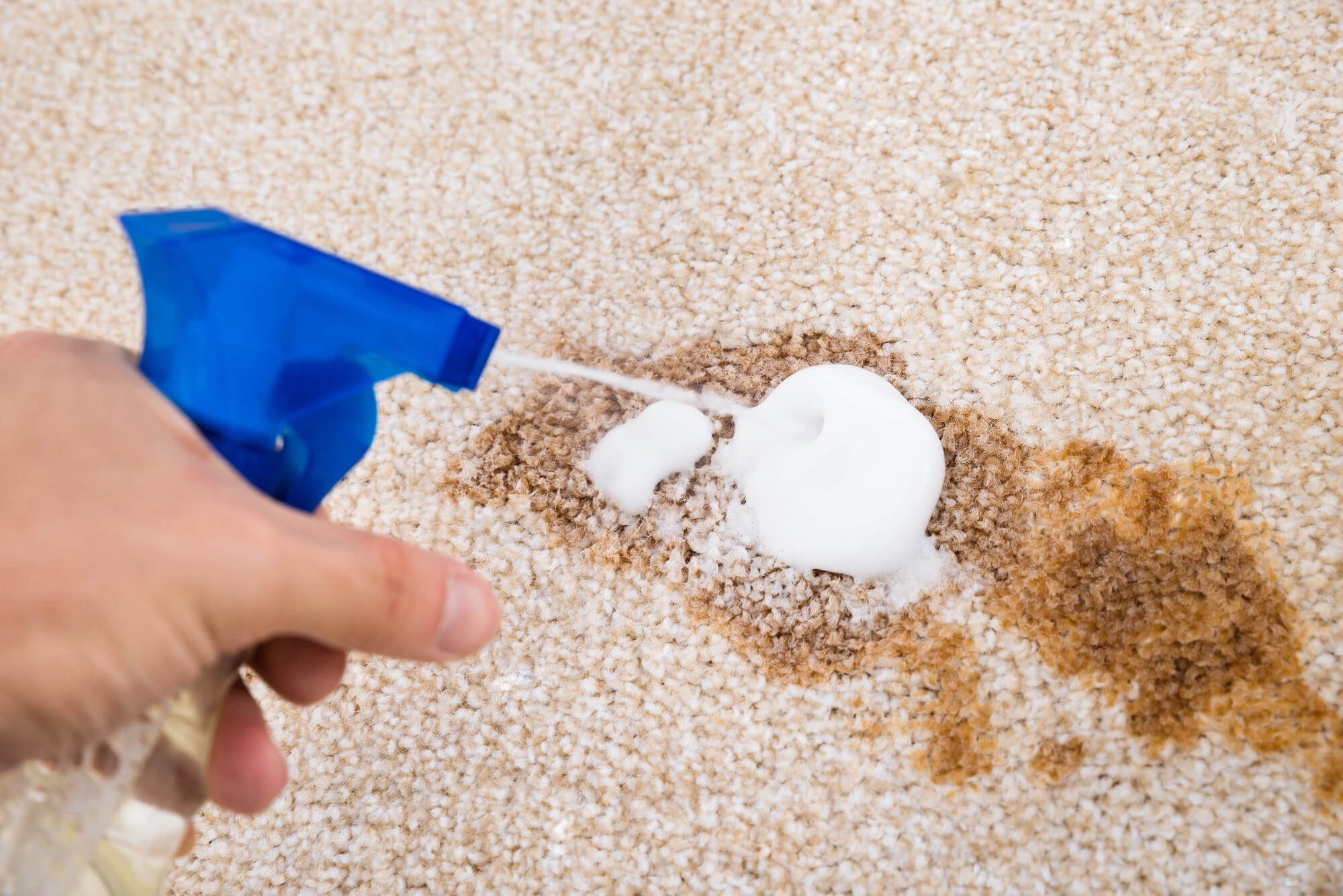
Carpet cleaning franchises operate within the broader cleaning services and home maintenance industries, offering deep cleaning, sanitizing, and preventative maintenance solutions for both residential and commercial properties. These businesses specialize in removing dirt, dust, allergens, and stains from carpets and rugs using professional-grade equipment and eco-friendly services.
With growing concern over indoor air quality, increased awareness of allergens, and high traffic in shared spaces, professional carpet cleaning services have evolved from a luxury to a necessity in homes, offices, and public buildings.
A few key market trends are driving strong demand for carpet cleaning businesses:
- Indoor spaces are more frequently used due to remote work, increasing wear on carpets.
- Allergy-sensitive customers are seeking regular carpet maintenance to reduce dust, pet dander, and bacteria.
- Property managers and Airbnb hosts rely on fast, reliable turnover services between tenants or guests.
- Commercial sectors such as offices, fitness centers, places of worship, and healthcare facilities require ongoing cleaning to meet hygiene standards.
Combined, these factors position carpet cleaning franchises as a resilient and scalable business option for franchise seekers.
Types of Carpet Cleaning Franchise Opportunities
There are a variety of franchise models available in the carpet cleaning space, each catering to different market segments and service demands:
Residential Carpet Cleaning
These franchises primarily serve homeowners and apartment tenants, offering recurring or as-needed cleaning services for carpets, rugs, and upholstery. Popular services include:
- Wall-to-wall carpet cleaning
- Stain and odor removal
- Pet-related deep cleaning
- Allergy-sensitive and eco-friendly options
- Upholstery and area rug treatments
Move-in/move-out cleans, seasonal refreshes, and vacation rental turnover services are also common in this segment, often marketed as part of broader home maintenance packages.
Commercial Carpet Cleaning
Franchises in this category cater to small and medium-sized businesses, offices, retail stores, and multi-tenant properties. Key features include:
- Night or weekend service availability
- Stain prevention and fiber protection treatments
- Floor plan-based pricing and recurring contracts
- On-site equipment storage and maintenance protocols
These clients typically prioritize reliability, consistency, and discreet service that doesn’t disrupt daily operations.
Industrial and Institutional Clients
For larger facilities such as hotels, schools, healthcare clinics, and government buildings, carpet cleaning is part of a broader facility management strategy. These franchise models may involve:
- Full-facility carpet and floor maintenance
- Large-scale scheduling logistics
- Compliance with sanitation regulations
- Coordination with facility managers or procurement teams
The demand here is typically contract-based, offering longer-term, high-volume business.
Specialty and Niche Services
Some carpet cleaning franchises distinguish themselves through specialized offerings or green cleaning innovations:
- Low-moisture or rapid-dry systems
- Environmentally safe, non-toxic detergents
- Anti-microbial and disinfectant treatments
- Tile, grout, and hard floor add-on services
- Expansion into other types of home cleaning, including window cleaning, pool cleaning, and tile or wood flooring cleaning.
Franchises in this category often appeal to eco-conscious consumers, families with young children, and clients in the hospitality or healthcare sectors where sanitization is paramount.
Each franchise type varies in pricing structure, staffing requirements, and marketing approach, allowing franchisees to find a model that aligns with their financial goals and community needs.
Business Models and Operational Styles
Carpet cleaning franchises are built with flexibility in mind, offering business models that support various ownership styles, market targets, and scalability paths. Whether you envision yourself in the field or managing a multi-vehicle team, there’s a structure that matches your vision and experience level.
Ownership Styles
- Owner-Operated Model: In this hands-on structure, the franchisee takes an active role in delivering cleaning services, managing carpet cleaning equipment, scheduling clients, and cultivating a solid customer base. This model is ideal for entrepreneurs who enjoy direct client interaction and want to build their business from the ground up.
- Manager-Run or Semi-Passive Model: This setup allows the franchisee to focus on high-level strategy while hiring a team to handle daily operations. A general manager or lead technician oversees scheduling, crew coordination, and job execution. This model is especially attractive for those aiming for multi-unit ownership or maintaining another career while scaling the business.
Location Styles
- Mobile Service Model: Most carpet cleaning franchises operate as mobile businesses, meaning there’s no need for a storefront. Services are delivered at the client’s location using branded vans or trucks equipped with mounted systems, portable carpet cleaning machines, and environmentally safe solutions.
- Warehouse or Central Facility Model: As the business grows, especially with commercial contracts or multiple vehicles, franchisees may use a warehouse or small facility for equipment storage, water disposal, supply inventory, and administrative operations.
Team-Based Field Operations
As demand increases, successful franchisees often transition from solo operations to a structured team model. This includes:
- Certified technicians trained in stain removal, water extraction, and equipment handling
- Schedulers or dispatch coordinators to optimize routes and reduce downtime
- Customer service support for lead management, appointment reminders, and follow-ups
Team management, hiring processes, and technician retention become essential to operational success and long-term growth.
Customer Expectations
Today’s carpet cleaning customers expect more than just surface-level results whether residential or commercial, clients seek dependable service, clear communication, and visible improvements in cleanliness and air quality.
Franchise systems are designed to help meet these expectations through:
- Maintenance Contracts: Recurring service options provide convenience for customers and steady income for franchisees.
- One-Time Deep Cleans: High-traffic areas, post-event cleanup, or tenant move-outs often require urgent or seasonal deep cleaning services.
- Clear Estimates and Digital Quotes: Many franchises equip owners with quoting software that produces transparent, easy-to-understand service breakdowns.
- Professional Branding: Branded uniforms, vehicle decals, and review-driven websites help build trust with new customers and enhance perceived professionalism.
- Online Booking and Reviews: Clients increasingly prefer digital scheduling and confirmation via text or email, along with the ability to view social proof through platforms like Google Business or Yelp.
Consistently exceeding expectations leads to repeat business, positive customer reviews, and organic growth through word of mouth, all of which are essential in the cleaning services market.
What You’ll Need to Start a Carpet Cleaning Franchise
Launching a carpet cleaning franchise offers a relatively low barrier to entry compared to many other service-based businesses; however, it still requires planning, investment, and operational readiness. Whether you’re entering the industry as a solo operator or with plans to scale quickly, here’s what you’ll need to get started.
Startup Requirements and Common Costs
The startup costs for carpet cleaning franchises can vary depending on the brand, territory size, equipment package, and operational model. Here are the most common financial considerations:
- Initial Investment Range: Typically between $30,000 and $125,000, depending on whether you’re starting with a single van or a multi-unit territory.
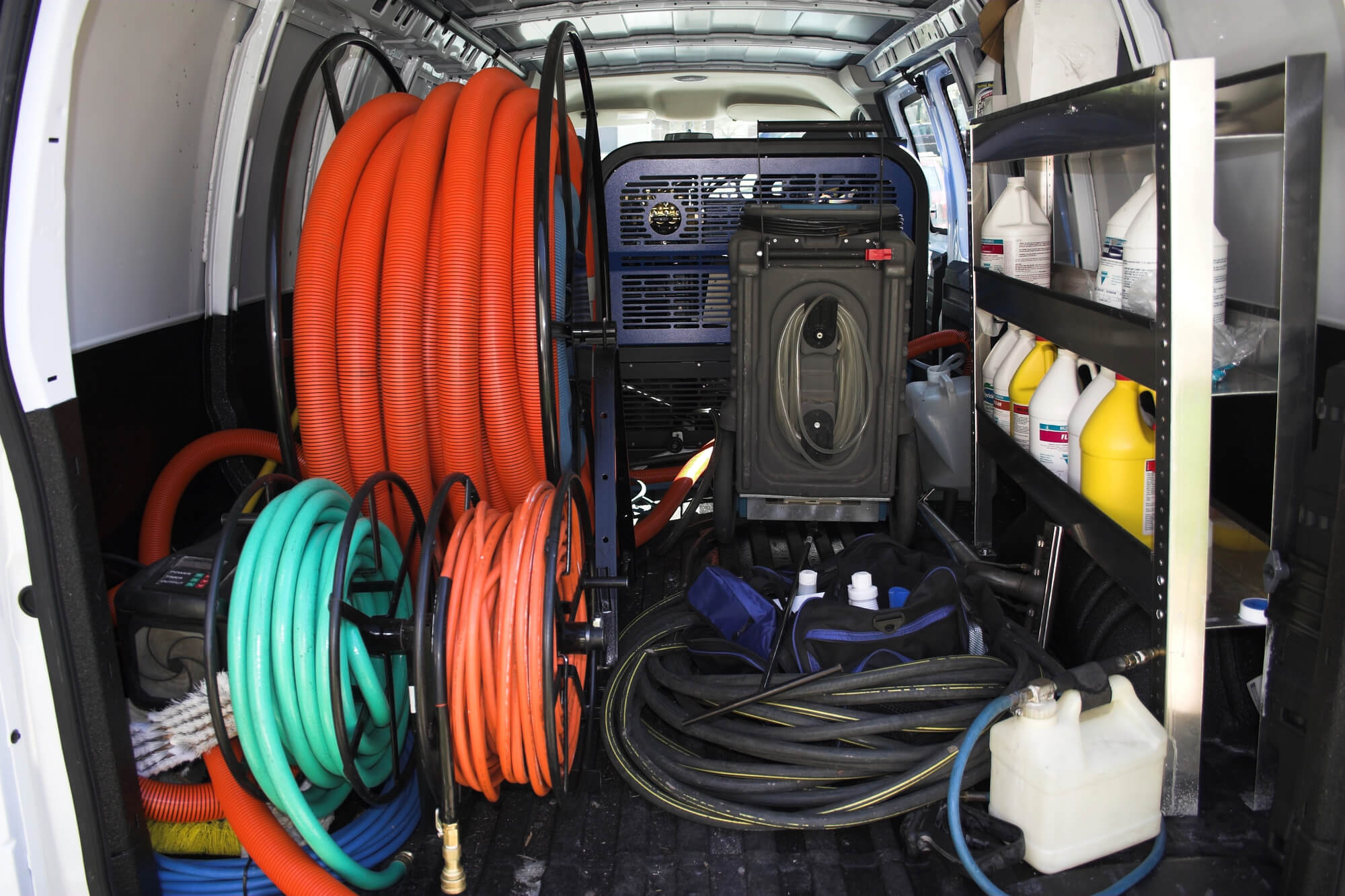
- Cleaning Equipment: Includes portable or truck-mounted carpet cleaning equipment and systems, wands, hoses, upholstery tools, and eco-friendly detergents.
- Service Vehicle: A branded van outfitted with shelves, tanks, and water recovery systems is often required. Many franchisors assist with specifications or leasing options.
- Uniforms and Safety Gear: Professional apparel, gloves, masks, and footwear suited for indoor work environments.
- Insurance and Licensing: General liability insurance, commercial vehicle insurance, and any required local or state business licenses.
- Technology Platform: Most franchises provide or require CRM software, booking and dispatch tools, and digital invoicing platforms.
- Franchise Fee and Royalties: The franchise fee grants access to the brand and business model. Ongoing royalties fund continuous support, system improvements, and training resources.
- Marketing Launch Package: Often included in the initial investment, this can cover your website, printed materials, door hangers, branded decals, and access to an affiliate portal for leads.
Understanding these costs upfront will help you build a realistic budget and financial forecast as part of your business plan.
Training and Onboarding
A strong training program is a cornerstone of successful franchise systems, and in the carpet cleaning industry, that training typically includes both technical instruction and operational coaching.
Franchisor training often covers:
- Cleaning Procedures: How to handle different carpet types, fiber structures, stain removal techniques, and water extraction processes.
- Product Usage: Understanding which detergents and treatments are safe, effective, and aligned with green cleaning standards.
- Customer Interaction: Managing expectations, resolving complaints, and building a reputation based on professionalism and quality.
- Scheduling and Territory Management: Using franchise software tools to efficiently manage appointments and optimize routes.
- Sales and Upselling: Encouraging clients to purchase add-on services like deodorizing, upholstery cleaning, or carpet protection treatments.
- Compliance and Safety: Learning best practices for indoor work, chemical handling, and EPA guidelines on wastewater disposal.
Many franchises offer a combination of in-person sessions, online modules, field training, and post-launch mentorship, providing support from pre-launch through early growth.
The Role of the Franchisee
As a carpet cleaning franchisee, your role can vary depending on the operational style you choose. However, in most models, franchisees are responsible for the following core functions:
- Operations Management: Ensuring carpet cleaning equipment is clean, functional, and compliant with safety standards.
- Customer Service: Responding to inquiries, managing feedback, and providing a seamless service experience.
- Team Oversight: Hiring, training, and scheduling technicians as the business scales.
- Sales and Local Marketing: Implementing outreach campaigns, managing your online reputation, and building relationships in your community.
- Financial Tracking: Monitoring job profitability, technician performance, and return on marketing spend.
In many systems, franchisees begin as field operators and gradually transition into a leadership role, stepping back from day-to-day business operations as their team grows.
The Market for Carpet Cleaning Franchises
The carpet cleaning industry is a pivotal and expanding segment of the cleaning services sector, bolstered by both residential and commercial demands. In 2022, the U.S. carpet and upholstery cleaning services market generated a substantial revenue of $13.9 billion. Specifically, the carpet cleaning component is anticipated to reach an impressive $6.9 billion by 2025, underscoring its robust growth.
This industry thrives amidst increased consumer awareness of hygiene, allergens, and the significance of indoor air quality. The appeal spans various sectors, including real estate, property management, healthcare, hospitality, and the burgeoning market of short-term rentals. From homeowners aiming to preserve the longevity of their carpets to facility managers striving to maintain cleanliness in high-traffic areas, the market for carpet cleaning services remains vast and resilient, even in economic downturns.
This market is characterized by innovations in design and sustainable materials, influenced by urbanization and a growing demand for interior decoration. Synthetic fibers like nylon and polyester dominate, catering to practical needs, while natural fibers such as wool and jute attract eco-conscious consumers.
Amid these trends, advancements in stain-resistant and eco-friendly options are significant. Additionally, digital technologies now allow for unprecedented intricacy in carpet patterns, while e-commerce platforms have widened market access, offering customers greater convenience and variety. Emerging innovations like smart carpets equipped with sensors introduce exciting opportunities within residential and institutional sectors.
With competitive pressures rising due to mobile operation efficiencies and market saturation, carpet cleaning businesses must navigate cost controls alongside pricing pressures. Despite these challenges, the industry’s dual stream of income, from residential maintenance bookings and commercial contracts, remains robust, promising sustained demand and opportunities for franchisees in this evolving marketplace.
Target Customer Segments
A well-positioned carpet cleaning franchise can serve a diverse client base. By understanding these customer types, franchisees can fine-tune their marketing, staffing, and scheduling for maximum efficiency and profitability.
Key customer segments include:
- Homeowners: Seeking routine or seasonal deep cleaning, stain removal, and allergen reduction, particularly families with pets, children, or carpet-heavy homes.
- Apartment Tenants and Property Managers: Relying on fast turnover cleans for move-ins and move-outs to comply with lease agreements and maintain rental value.
- Realtors and Home Stagers: Using carpet cleaning as part of pre-sale property prep to improve presentation and perceived value.
- Airbnb Hosts and Vacation Rentals: Requiring frequent, reliable, and fast turnaround service to maintain 5-star reviews and cleanliness expectations in vacation rentals.
- Commercial Clients: Offices, auto dealerships, retail stores, and fitness centers with regular foot traffic that demand consistent maintenance.
- Institutional Clients: Schools, churches, healthcare facilities, and government buildings that must meet sanitation and safety standards.
This range of segments allows franchisees to start with one niche and expand into others as their territory matures and capacity increases.
Strategies for Business Expansion
Once a franchisee has established consistent operations and a positive reputation, there are several effective ways to grow within the carpet cleaning space:
- Expand Territory: Add new vehicles and teams to service neighboring zip codes or cities.
- Layer in Add-On Services: Offer related services such as upholstery cleaning, hard floor care, tile and grout cleaning, window cleaning, home organization, or odor removal to increase ticket value.
- Target Recurring Commercial Contracts: Shift from one-time jobs to ongoing contracts with businesses or facilities that require routine service.
- Capitalize on Seasonal Trends: Promote spring cleaning, post-holiday refreshes, or back-to-school sanitizing services.
- Use Reviews and Referrals: Encourage happy customers to post online reviews and refer friends, both of which amplify brand trust and word-of-mouth marketing.
Smart growth in this industry is less about reinventing your service and more about maximizing your route density, referral channels, and contract longevity.
Benefits of Investing in a Carpet Cleaning Franchise
Carpet cleaning franchises offer a compelling mix of affordability, flexibility, and recurring demand, making them a smart choice for entrepreneurs entering the home services or commercial cleaning sector. With the right brand and territory, franchisees can build a scalable, reputation-driven business that generates stable income and long-term client loyalty.
Built-In Market Advantage
Unlike trend-based industries, carpet cleaning is a needs-driven service. From routine maintenance to emergency cleanups, customers rely on professional cleaning to maintain comfort, hygiene, and appearance in their homes and businesses.
Benefits of the market include:
- Evergreen Demand: Carpeted flooring still dominates in residential and commercial interiors, creating an ongoing need for cleaning and upkeep.
- Health-Driven Motivation: Rising concerns over allergens, bacteria, and indoor air quality drive consistent demand for deep cleaning services.
- Multi-Sector Appeal: Applicable across residential, commercial, institutional, and hospitality markets, allowing for broad customer acquisition strategies.
- Visible Results: Customers see immediate improvement after service, increasing satisfaction, trust, and referral potential.
Franchise systems help owners tap into this opportunity with a proven business model, built-in credibility, and the operational infrastructure to deliver consistent results.
Simplified Operations With High ROI Potential
Carpet cleaning businesses are relatively simple to operate, especially when supported by a franchisor that provides equipment guidelines, service protocols, and marketing systems.
Operational advantages include:
- Mobile Business Model: No need for a retail storefront means lower rent and reduced overhead.
- Streamlined Equipment: Most systems rely on one or two main machines and a van, keeping maintenance and repair manageable.
- Flexible Scheduling: Jobs can be booked around customer availability, allowing owners to control their calendar.
- Scalable Labor: Start solo and add technicians as demand increases, keeping early-stage costs low.
These structural advantages allow franchisees to achieve profitability faster than many other service businesses, especially when backed by strong customer retention and recurring contracts.
Franchisor Support and Systems
A quality franchise delivers the tools, training, and support that simplify ownership and improve your chances of success, and not just the branding.
Support systems often include:
- Initial and Ongoing Training: Covering cleaning techniques, chemical handling, customer service, and territory management.
- Marketing Infrastructure: Ready-to-use digital assets, SEO-optimized websites, lead generation support, and social media content libraries.
- Business Management Tools: Scheduling platforms, quoting systems, route planning software, and CRM tools to manage clients and follow-ups.
- Peer Network Access: Connect with other franchisees to exchange ideas, benchmark performance, and share real-world solutions.
- National Campaigns and Brand Recognition: Benefit from broader brand-building efforts that increase trust and drive inbound inquiries.
With these systems in place, you’re not just buying into a brand, but also a tested operation that’s designed to scale and support your success.
How to Evaluate a Carpet Cleaning Franchise Opportunity
With dozens of brands in the cleaning industry, each promising strong returns and exceptional support, franchise seekers must know how to separate hype from substance. Evaluating a carpet cleaning franchise goes beyond comparing logos and startup costs. It requires digging into financials, operations, brand reputation, and real-world performance to find the right fit for your goals.
Due Diligence and the FDD
The Franchise Disclosure Document (FDD) is the cornerstone of your due diligence process. This legal document outlines key aspects of the franchise system, including costs, obligations, and historical performance.
Key areas to review include:
- Item 7: Details the total estimated initial investment, including equipment, working capital, training, and marketing setup.
- Item 11: Explains what kind of support, training, and resources the franchisor provides, and at what stages of ownership.
- Item 19 (if provided): Shows historical financial performance metrics for existing franchisees — such as average revenue or profit margins — giving insight into business potential.
- Item 20: Outlines how many units are operating, how many have closed, and where new ones are being developed, helping assess network health and satisfaction.
- Franchisor Financials: Found at the end of the FDD, these help determine the franchisor’s financial stability and reinvestment capacity.
You don’t have to interpret this alone. It’s recommended to review the FDD with a franchise consultant who understands franchise structures and risk factors.
Questions to Ask the Franchisor
Once you’ve narrowed your options and begin engaging with the brand’s development team or attending a Discovery Day, be prepared with targeted questions that go beyond the brochure.
Ask about:
- What differentiates your carpet cleaning systems or equipment from competitors?
- What is the average time to break even for new owners?
- What marketing support is included in the franchise fee?
- How are territories defined and protected?
- What percentage of franchisees renew their agreements?
- What does a typical day look like for a franchisee?
- How are customer leads generated and distributed?
Answers to these questions will reveal how prepared the franchisor is to support your launch, scale, and long-term operations.
Validation: Speak With Current Franchisees
The most revealing step in evaluating any franchise is speaking directly with current owners. These conversations, known as validation calls, offer unfiltered insight into what daily operations are like and whether the franchisor delivers on their promises.
Ask current franchise owners:
- What has your experience been like with training and onboarding?
- How do you get most of your customers? Word of mouth, digital ads, or affiliate programs?
- What surprised you most about starting this business?
- How helpful is the franchisor when issues come up?
- Would you invest in this brand again if you had the choice?
- How long did it take to become profitable?
These conversations will help you understand not only financial performance but also culture, leadership quality, and franchisee satisfaction, which are key factors in making a smart, long-term decision.
Is a Carpet Cleaning Franchise Right for You?
Carpet cleaning franchises appeal to a wide range of entrepreneurs, from hands-on operators to business-minded investors. While you don’t need prior experience in the cleaning business, success in this field often depends on your willingness to follow systems, lead a team, and maintain high standards of customer service.
This section helps you assess personal fit, time commitment, and lifestyle alignment before making a decision.
Ideal Franchise Owner Profile
Most carpet cleaning franchises are designed for everyday entrepreneurs, not just cleaning professionals. Franchisors typically look for candidates who are coachable, customer-oriented, and committed to local growth.
You might be a strong fit if you:
- Enjoy structure, systems, and goal setting
- Are comfortable managing schedules, estimates, and logistics
- Have basic people-management and customer service skills
- Value quality control and brand reputation
- Are you ready to engage in community outreach and lead generation
Whether you’re transitioning from corporate life to business owner, seeking a second act in business, or exploring semi-passive ownership, carpet cleaning offers an accessible, service-focused pathway into entrepreneurship.
Time Commitment and Lifestyle Fit
Carpet cleaning franchises offer more flexibility than retail or food-based models. Most work is performed during standard business hours, with some weekend availability depending on client needs.
Common scheduling and lifestyle benefits include:
- Daytime Hours: Residential jobs are typically scheduled Monday through Friday, with optional Saturday bookings for customer convenience.
- No Inventory or Retail Hours: Without a storefront or product sales, franchisees are free from long retail shifts or inventory headaches.
- Team-Based Scaling: As the business grows, you can move from performing jobs yourself to managing crews and overseeing operations.
- Mobile Operations: Most franchises allow for dispatching from home, which minimizes commute time and simplifies daily planning.
This balance makes carpet cleaning franchises especially appealing for those seeking both financial freedom and personal flexibility.
Next Steps: Your Franchise Ownership Journey Starts Here
Starting your own business is a major step, one that comes with both opportunity and responsibility. Whether you’re intrigued by the carpet cleaning industry’s strong market demand and annual growth rate or excited by a carpet cleaning franchise model with built-in support, having the right guide can make all the difference for aspiring entrepreneurs and aspiring franchisees looking to own business assets in a thriving market.
That’s where FranChoice comes in. Our personalized, no-cost consulting services help franchise seekers explore carpet cleaning franchise opportunities, cleaning franchise options, and broader franchise opportunities in the home services industry, guiding you from exploration to ownership without guesswork or pressure. This approach enables franchisees to enter a proven business model designed to weather economic downturns and support business growth.
The Role of FranChoice
FranChoice consultants are experienced professionals who specialize in helping franchise owners and aspiring franchisees:
- Identify your goals, initial investment comfort level, startup costs, working capital needs, and preferred franchise business model
- Compare carpet cleaning franchises and commercial cleaning services that fit your lifestyle, work life balance goals, and local market dynamics
- Understand the Franchise Disclosure Document, franchise information, franchise fee structures, initial franchise fee details, and how costs may vary based on brand and services
- Connect directly with franchisors that fit your profile, including well known brands in the carpet cleaning industry such as Chem-Dry, Oxi Fresh, and Stanley Steemer
- Guide you through validation calls, Discovery/Confirmation Days, and final selection while supporting franchisees through every step
We simplify the search by focusing on pre-screened franchise systems with strong reputation, brand recognition, ongoing support, and marketing support, giving you a competitive edge in choosing the right carpet cleaning business or cleaning franchise.
Free Consultation With a Franchise Consultant
Our services are free to you, the potential franchise business owner. You pay nothing (except your time) for our insights and strategic guidance. That’s because franchisors compensate us only when a successful match is made, allowing you to explore franchise opportunities without pressure or commitment.
What you gain:
- Introductions to carpet cleaning franchise brands aligned with your goals, prior experience, and interest in residential and commercial clients
- The opportunity to gain insights into each brand’s culture, supportive network, fantastic cleaning system or oxygenated cleaning system, and how they enable franchisees to deliver powerful cleaning solutions, non toxic options, and low moisture carpet cleaning services
- Guidance through a structured, step-by-step process that keeps your research on track, from understanding startup costs and floor replacement costs savings to evaluating recurring revenue and repeat business potential
- Confidence in making one of the most important financial decisions of your life, whether you’re transitioning from an independent carpet cleaning business or entering the franchise world as your own boss
Building a Business That Leaves a Lasting Impression
Carpet cleaning franchises offer a blend of purpose, practicality, and profitability within the cleaning industry, commercial cleaning industry, and broader home services sector. They meet a vital need in residential cleaning and commercial living spaces, including commercial carpet environments, help improve indoor air quality and overall indoor air quality through professional carpet services such as cleaning carpets, upholstery cleaning, air duct cleaning, grout cleaning, hard surfaces care, and textile care, and create visible transformations customers love. These cleaning services rely on proven cleaning methods, specialized cleaning solutions, proper vacuum cleaner use, and an understanding of carpet fibers to deliver results while addressing environmental issues and supporting healthier indoor spaces for homes and businesses.
Whether you’re focused on your first territory or planning to scale into multiple units, you’ll be providing carpet cleaning services and additional services that foster trust, generate recurring revenue, and support rapid growth for franchise owners in a market where repeat customers drive a significant portion of demand for any successful cleaning company.
And with the right franchise partner—one that supports franchisees with training, Internet marketing, digital marketing, personalized marketing content, operations, marketing support, and mentorship—you’ll have everything you need to build a carpet cleaning business or franchise that stands out in your community, serves customers effectively, and adapts to changing market demand.
If you’re ready to take the next step toward owning a carpet cleaning franchise with lasting potential, flexible scheduling, strong brand recognition, and ongoing support, FranChoice is here to help.
Reach out today to schedule a call and start your journey toward franchise ownership with clarity and confidence.